
Omar Najjar: Building Saudi Arabia’s Future Leaders
Discover how Omar Najjar, Deputy CEO of Misk Foundation, is building Saudi Arabia’s future leaders through human capital, governance, and Vision 2030 programs.
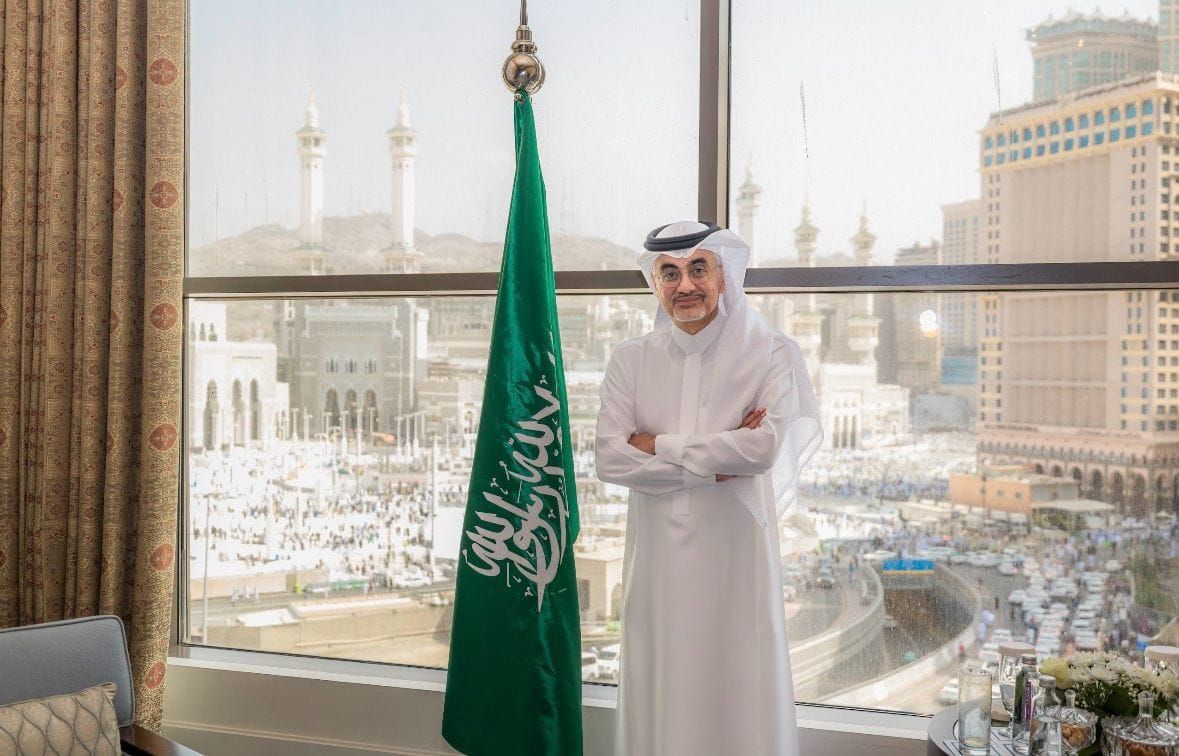
Saudi Arabia’s transformation is often measured by its towering megaprojects and economic shifts, but its true foundation is human capital. The Kingdom’s progress relies on leaders capable of building institutions, inspiring teams, and converting ambitious goals into measurable results. Omar Najjar has spent his career at the heart of this evolution.
Across diverse sectors, Najjar has focused on a singular mission: bridging the gap between organizational potential and peak performance. His career path mirrors the Kingdom’s own transformation. Moving from engineering to human capital and global organizational change, he eventually returned to national development. Today, through his work with the Misk Foundation and national leadership initiatives, Najjar is dedicated to a core conviction: Saudi Arabia’s future is built by the people prepared to lead it.
From Systems Thinking to Transformation Leadership
Omar Najjar began his career at Saudi Aramco after graduating with honors in Systems Engineering from King Fahd University of Petroleum & Minerals. He was sponsored by Aramco as a top student and joined the company’s Professional Development Program, starting his career in one of Saudi Arabia’s most demanding institutional environments.
Systems engineering is not only about technical processes. It is about understanding how different parts work together to create a larger outcome. This way of thinking would later become a signature of Najjar’s career. Whether in aviation, global consumer goods, industrial manufacturing, education, or youth empowerment, his work has repeatedly focused on building structures that allow organizations to perform at scale.
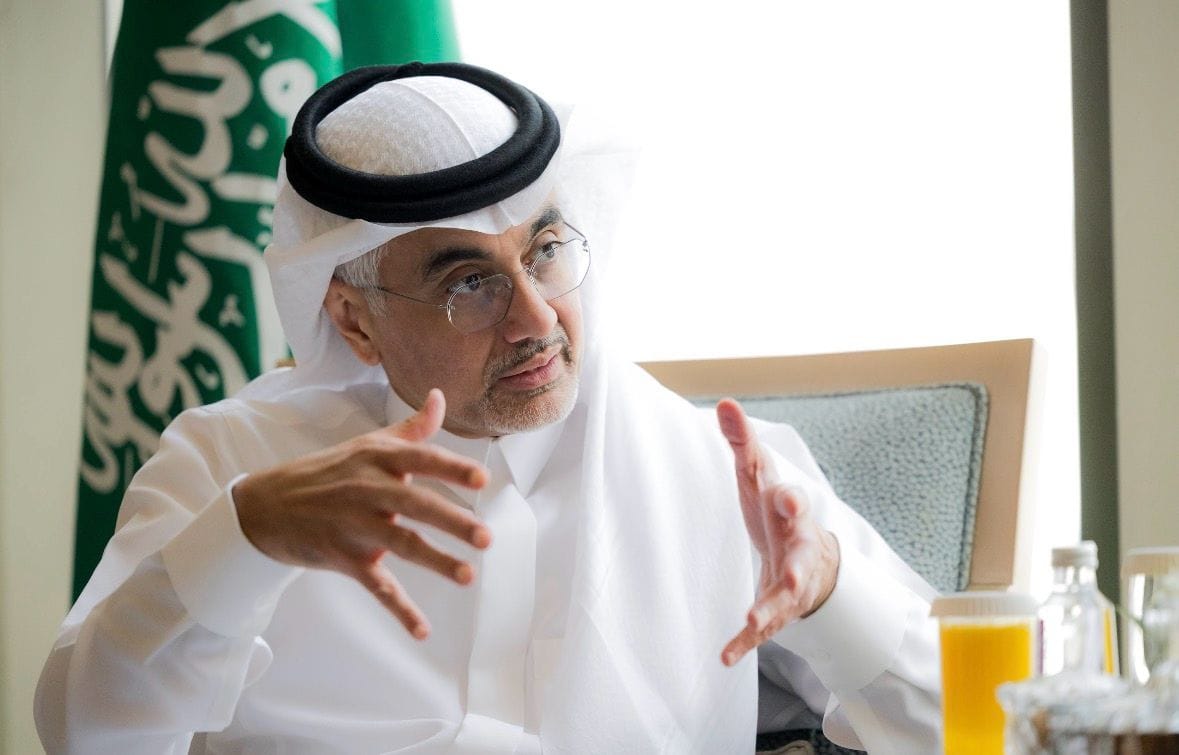
After Aramco, he moved to Saudia Airlines, where he worked on re-engineering and process improvement projects across the airline. This marked an important shift: from engineering physical and operational systems to redesigning organizational ones. It was also the beginning of a broader pattern that would define his career: entering complex environments and helping them become more efficient, more aligned, and more future-ready.
Human Capital as National Infrastructure
Omar Najjar’s career shifted significantly when he entered the human capital field. At Unilever, he rose through senior leadership roles across the Gulf, North Africa, the Middle East, and Turkey. This period helped shape one of the clearest philosophies of his career: organizations do not transform through strategy documents alone.
True transformation happens when talent systems are strengthened, leadership pipelines are built, and culture is aligned with execution. For Najjar, human capital is not a support function. It is infrastructure. It determines whether a company, sector, or country can absorb change, sustain progress, and turn ambition into measurable impact.
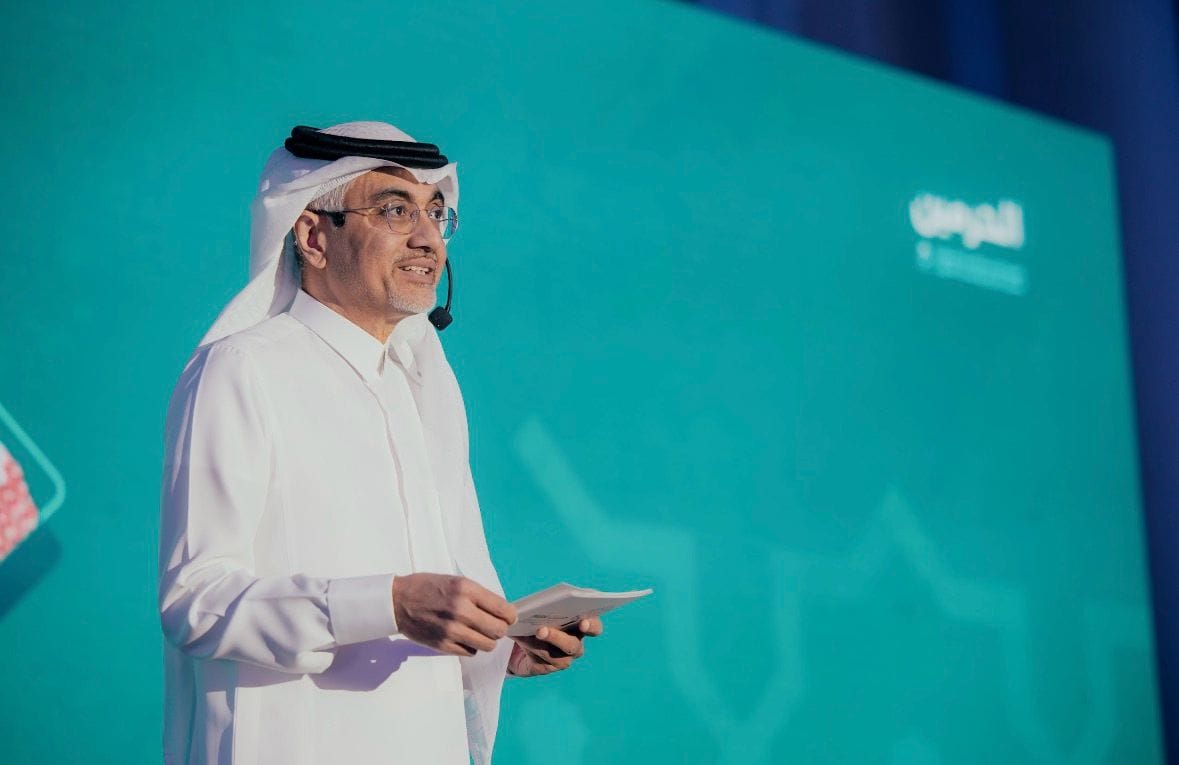
Bridging Global Expertise and National Growth
Omar Najjar’s subsequent roles showed how global experience could be translated into Saudi Arabia’s national transformation journey.
- At Emaar, The Economic City, he led the Education City business unit in King Abdullah Economic City, overseeing K–12 schools, higher education, and vocational training. It was a move from corporate HR into national capability-building.
- At Cristal, Najjar helped turn transformation into operating discipline. He supported the development of the unified “One Cristal” model, integrating global units under a shared way of working as the company grew into one of the world’s largest titanium dioxide producers.
- At Tasnee, he moved from Chief Human Resources Officer to Executive Vice President of Downstream Business, taking responsibility for a sector generating around SR 2 billion annually. This transition from people systems to P&L accountability showed his range as an enterprise leader.
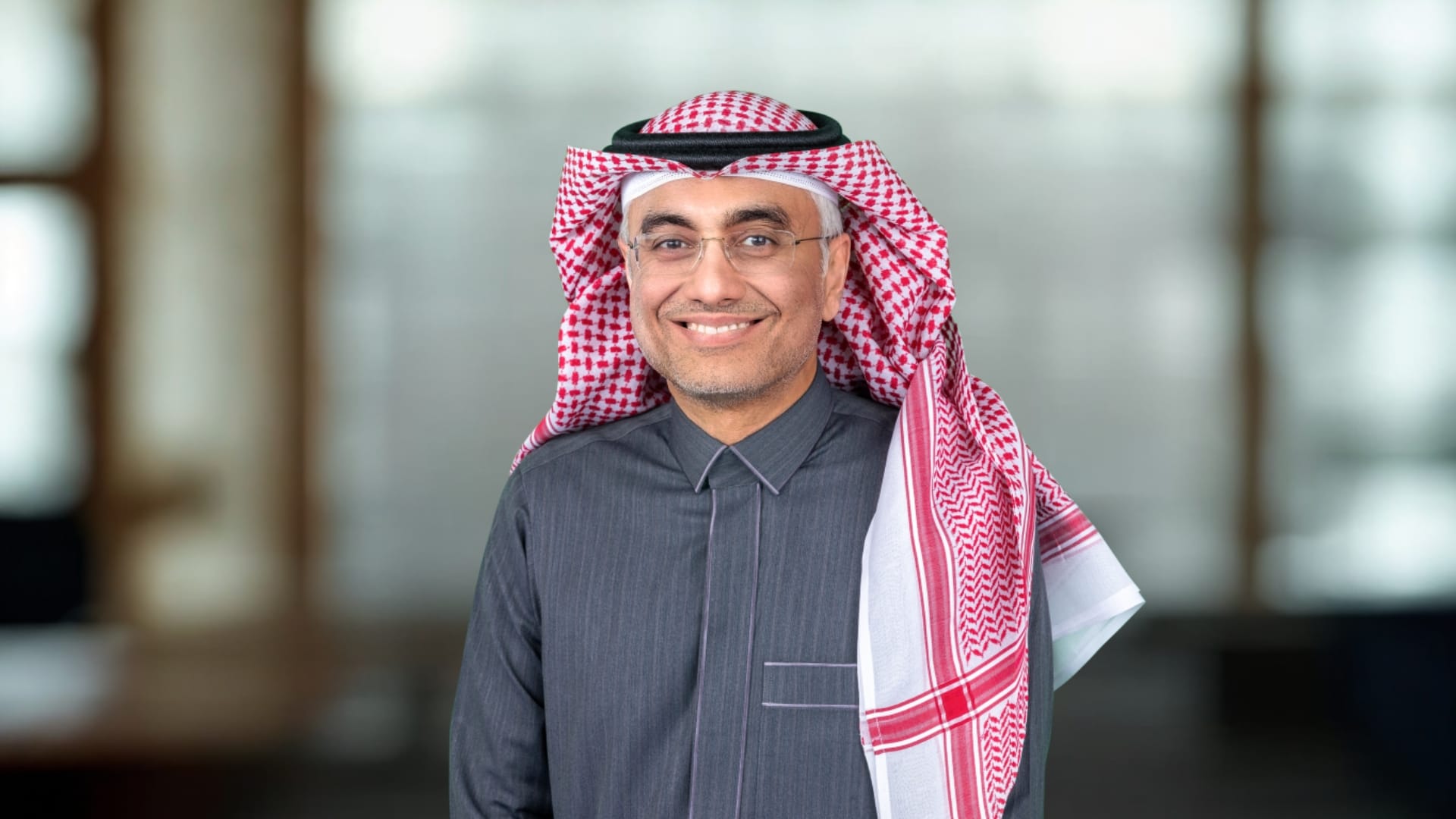
Execution at National Scale: Aviation and Industry
As CEO of Saudi Ground Services, Najjar led one of the Kingdom’s most operationally demanding service environments. SGS served more than 100 million passengers, 50 airlines, and 27 airports, supported by around 11,000 employees. The role connected operational precision to national priorities such as tourism, logistics, aviation excellence, and global connectivity. For Najjar, it was another example of a recurring leadership challenge: aligning people, processes, and performance under pressure, and doing so at national scale.
The Shift to Institutional Governance
Omar Najjar’s evolution from executive leader to institutional governor reflects a broader shift toward systemic impact. Through board and committee roles across entities such as Middle East Paper Company, Jeddah Health Cluster, Taif Health Cluster, Bupa Arabia, Remat Al-Riyadh, and Jeddah Development Authority, he has contributed to the structures of accountability, oversight, and leadership continuity that allow Saudi institutions to mature.
His work on Nomination and Remuneration Committees is especially aligned with his wider career. These committees sit close to the questions that have defined much of his professional life: how institutions select leaders, develop succession, reward performance, and build boards capable of guiding long-term transformation.
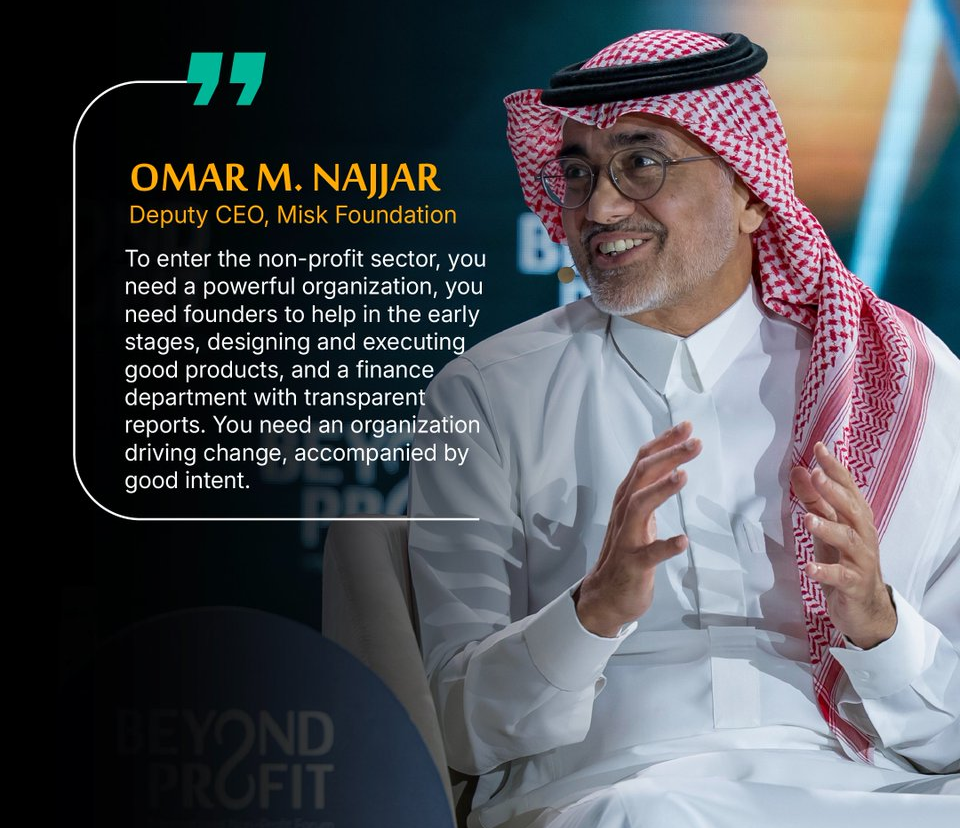
The Misk Mission: Empowering the Next Generation
Today, as Deputy CEO of Misk Foundation, Najjar’s career threads converge. He has helped develop and launch landmark initiatives such as the 2030 Leaders Program, the Saudi Unicorn Program, Misk program tracks in skills, leadership, community, and entrepreneurship.
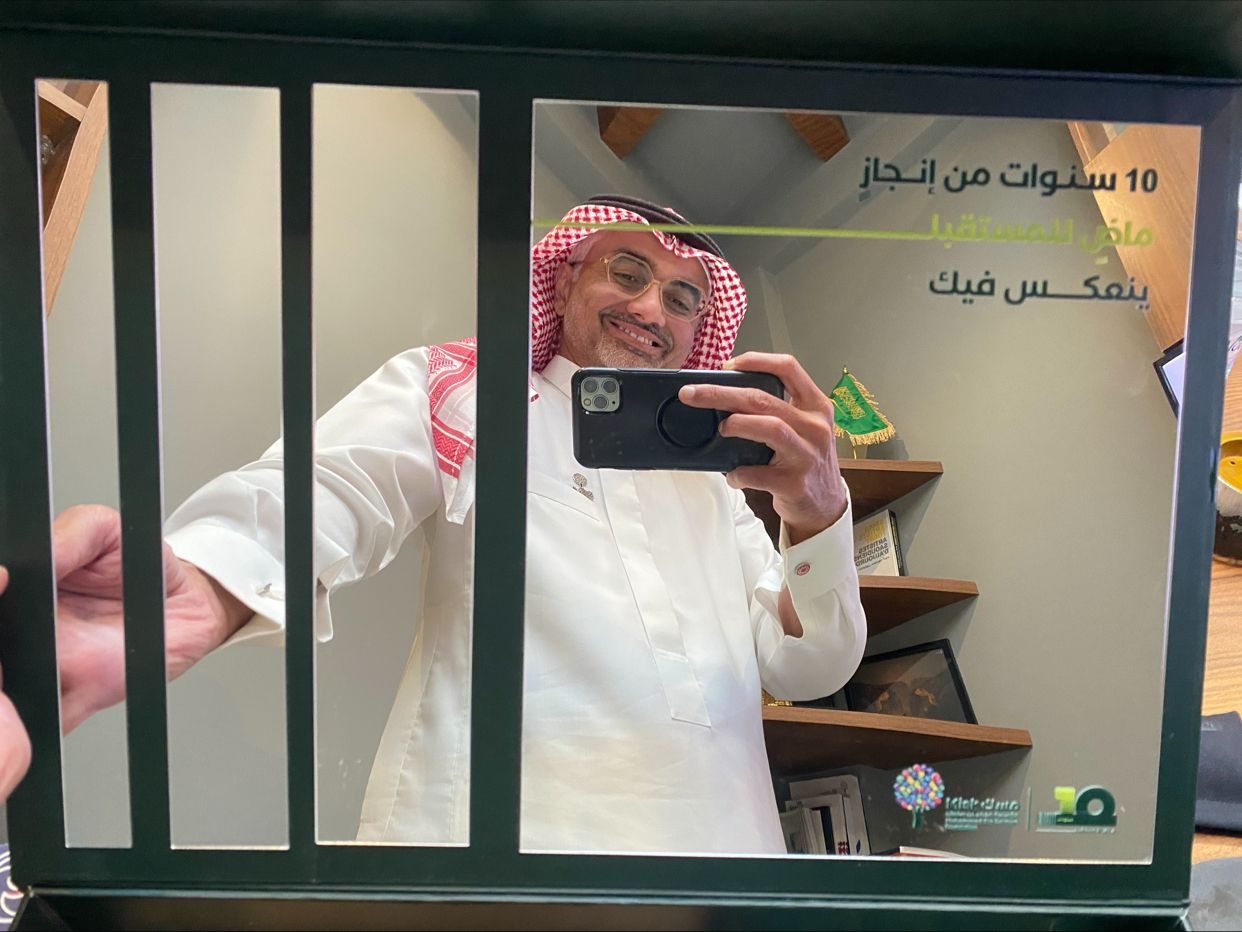
Saudi Leadership Society: Building a Community of Leaders
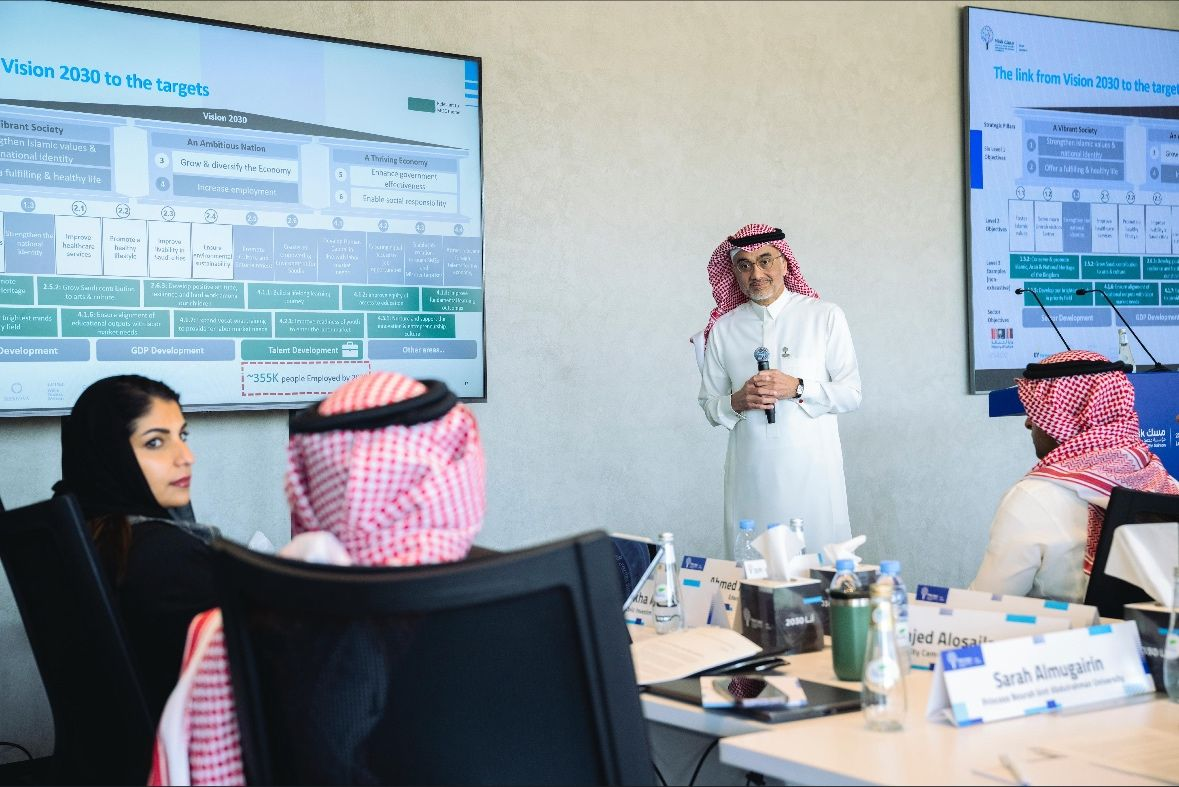
One of Omar Najjar’s most important contributions at Misk is his role as Founding Chairman of the Saudi Leadership Society. More than a title, the society reflects a central idea in his career: leadership is not built in isolation. It is strengthened through networks, shared standards, mentorship, and a sense of national purpose. The Saudi Leadership Society brings together emerging and established Saudi leaders connected through Misk’s leadership ecosystem, including graduates of programs such as 2030 Leaders.
In that sense, it extends Najjar’s impact beyond individual programs and into a living community, one designed to keep leadership development active, connected, and aligned with the Kingdom’s transformation. For a country moving at the speed of Vision 2030, such communities matter. They help ensure that leadership is not treated as a one-time achievement, but as a continuous responsibility: to learn, serve, build, and bring others forward.
A Leader Building the Builders
Omar Najjar’s story is not only about the positions he has held. It is about the pattern behind them. At every stage, he has worked on the architecture of progress: better systems, stronger teams, clearer operating models, sharper leadership pipelines, and institutions capable of carrying ambition forward. His career has moved from engineering systems to transforming organizations to developing people who can shape the next chapter of the Kingdom.
In the Vision 2030 era, Saudi Arabia’s greatest projects are not only the cities, industries, and platforms rising across the country. They are also the leaders being prepared to sustain them. Omar Najjar’s contribution lies in that space, building the builders, empowering the ambitious, and helping turn national vision into human capability.
1. Builder of Future Leaders
He has helped develop and launch national leadership initiatives such as the 2030 Leaders Program, the Saudi Unicorn Program, and Misk’s tracks in skills, leadership, community, and entrepreneurship.
2. Architect of Human Capital
His career shows that talent is not a support function, but national infrastructure — the force that allows companies, sectors, and countries to sustain transformation.
3. Bridge Between Global Expertise and Saudi Growth
His international experience across the Gulf, Africa, the Middle East, and Turkey gave him global perspective, which he later brought back to Saudi Arabia’s national development journey.
4. Vision 2030 Human Capability Champion
His work reflects one of the Kingdom’s most important priorities: preparing Saudi youth not only to participate in transformation, but to lead it.
Discover more inspiring stories at Saudi Wins, where Vision 2030 comes to life.