
Hala Al-Tuwaijri: Championing Human Rights in Saudi Arabia
Discover how Hala Al-Tuwaijri, the first woman to lead Saudi Arabia’s Human Rights Commission, is championing human rights, women’s empowerment, and Vision 2030 reform.
As Vision 2030 reshapes Saudi Arabia’s economic and social landscape, human rights have become a central pillar of national reform. From women’s empowerment and family protection to labour rights and international cooperation, the Kingdom is building systems that protect individuals while supporting ambitious national development.
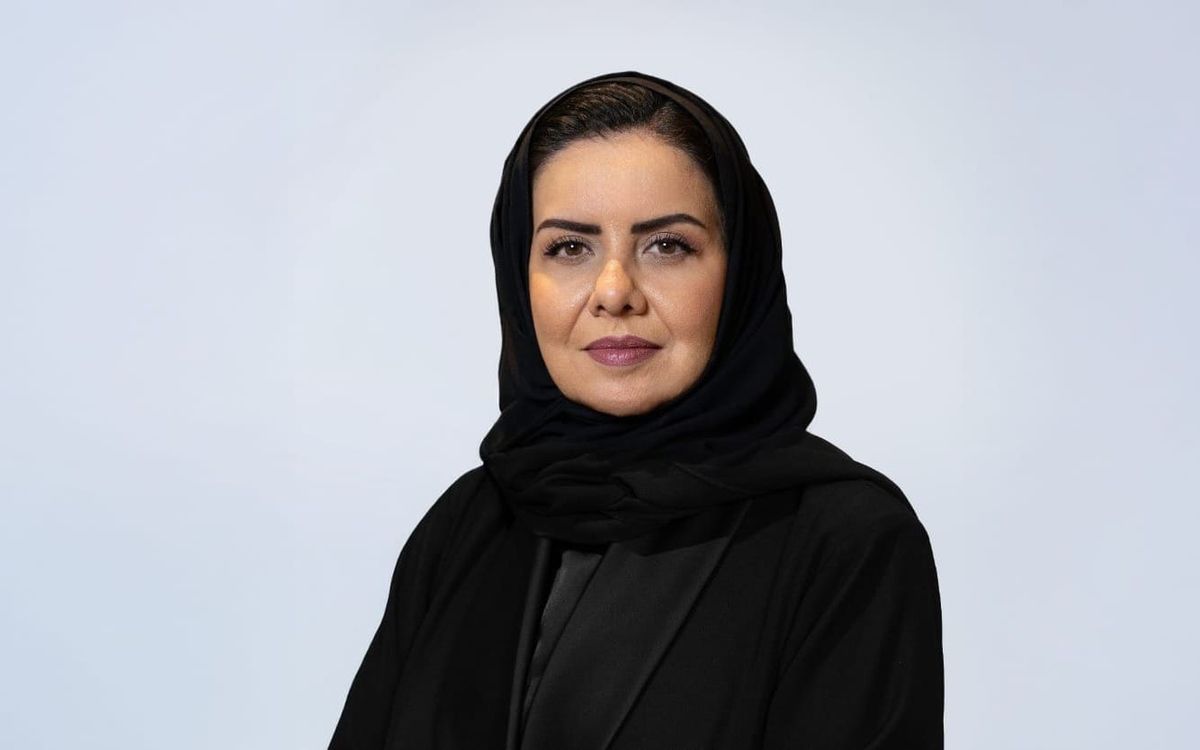
At the heart of this evolution is Hala Al-Tuwaijri, President of the Human Rights Commission (HRC) with the rank of minister and the first woman to ever lead the body. Her journey from academic halls to the front lines of policy and diplomacy reflects the broader story of a nation opening new horizons for its people.
Early Life and Education
Hala Al-Tuwaijri’s path began with a deep love for language, ideas, and human stories. She chose to specialize in English literature at King Saud University (KSU), where she earned her degrees and later joined the faculty. Immersed in novels, poetry, and drama, she developed the ability to understand different perspectives, analyze complex narratives, and communicate with clarity and empathy. Her career at KSU quickly moved beyond teaching. She served in several leadership roles, including Deputy Head of the Department of English Language and Literature and later Vice Dean of the College of Arts.
In many ways, these early experiences shaped the leadership style she is known for today: principled, collaborative, analytical, and always attentive to the human dimension of policy.
Leadership Role in Human Rights
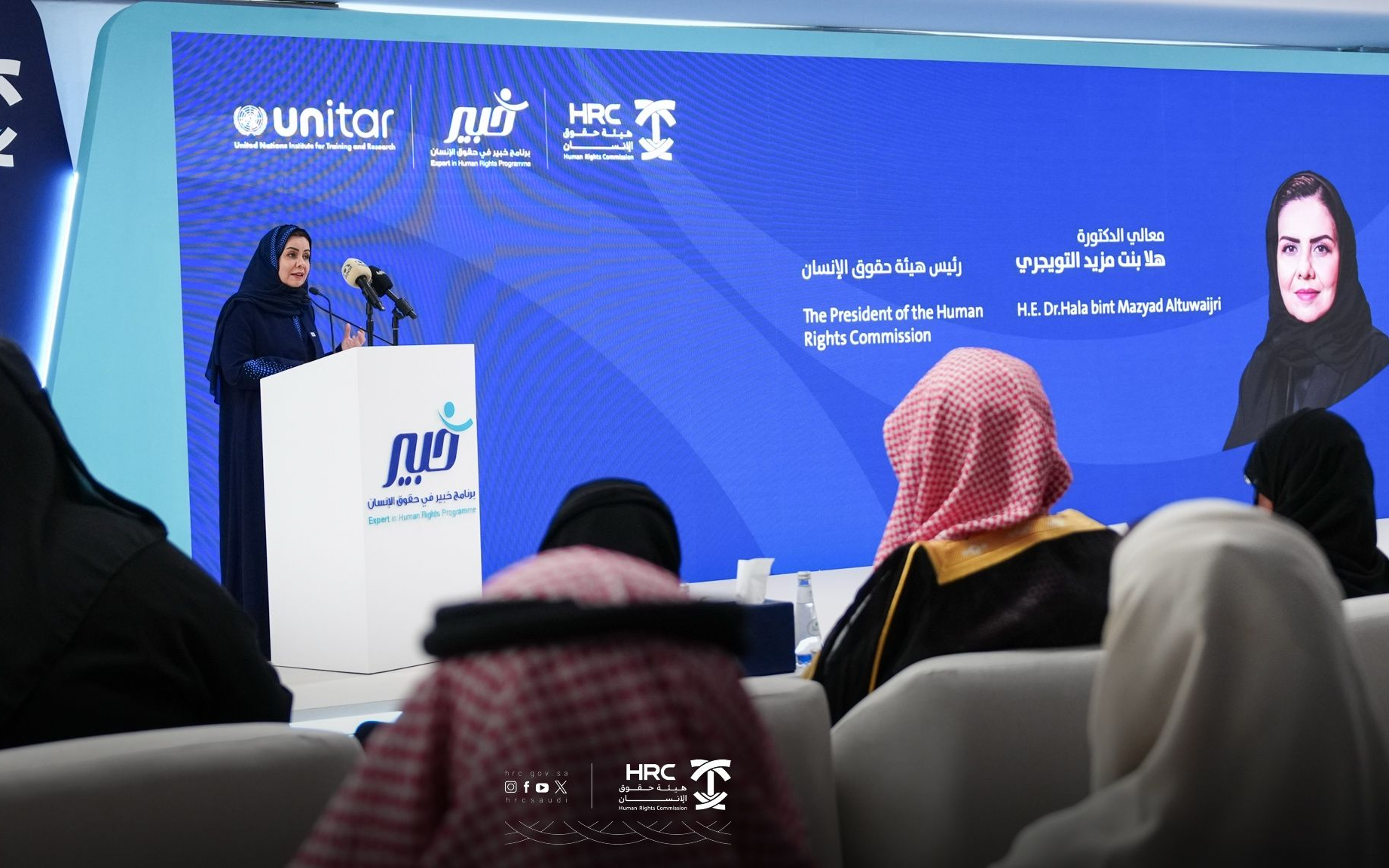
A defining moment in Hala Al-Tuwaijri’s public career came with the royal decree appointing her President of the Human Rights Commission with the rank of minister. With this appointment, she became the first woman to chair the Human Rights Commission and its board, an important milestone in the history of Saudi public service and a powerful symbol of women’s growing leadership role. The Human Rights Commission is responsible for promoting and protecting human rights in the Kingdom in line with national laws and international standards.
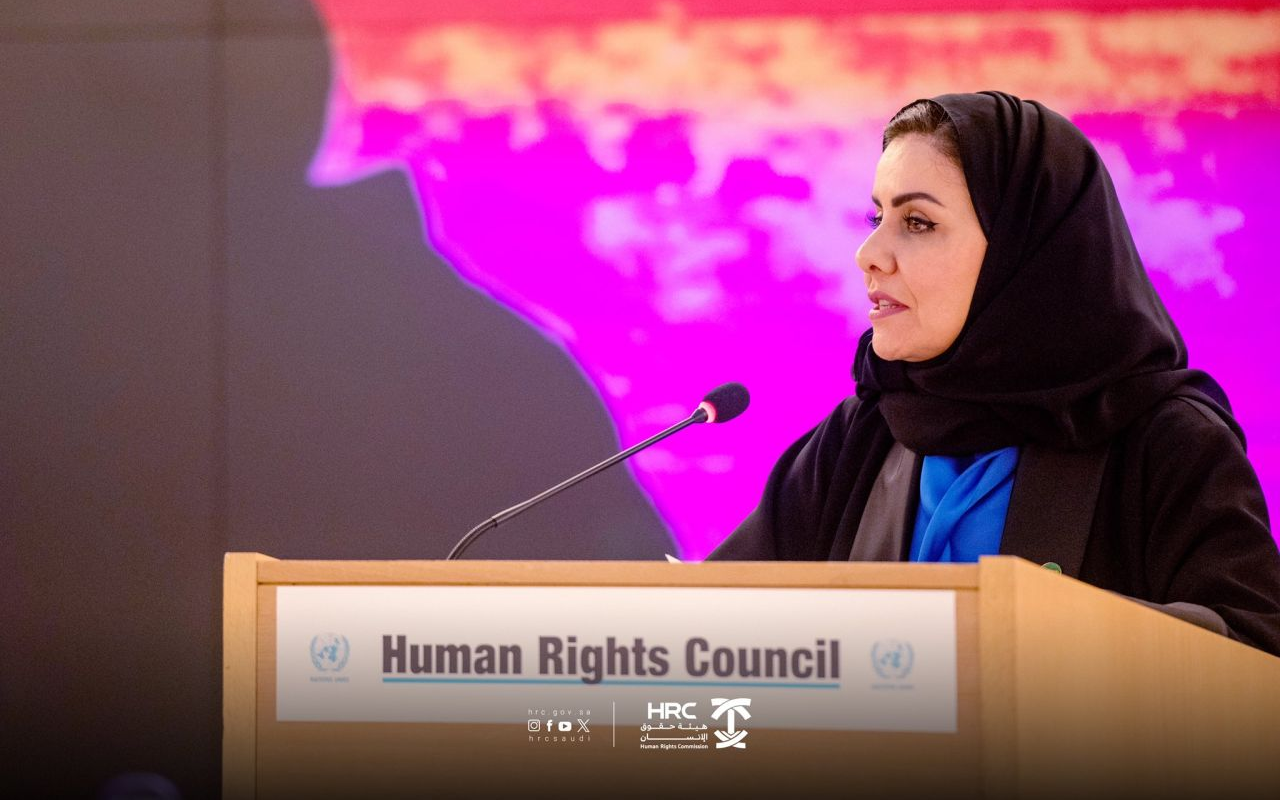
Under Al-Tuwaijri’s leadership, the HRC focuses on several core missions: monitoring and reviewing legislation, raising awareness of rights and duties, supporting institutional reforms, and engaging with international organizations and partners. Her role is deeply practical. She leads teams that study regulations, makes recommendations to align them with best practices, and represents Saudi Arabia at regional and global forums. Through this work, she helps ensure that the Kingdom’s reforms are not only ambitious on paper but also implemented in ways that safeguard human dignity, support social stability, and reflect the values of Vision 2030.
Working on Social Wellness
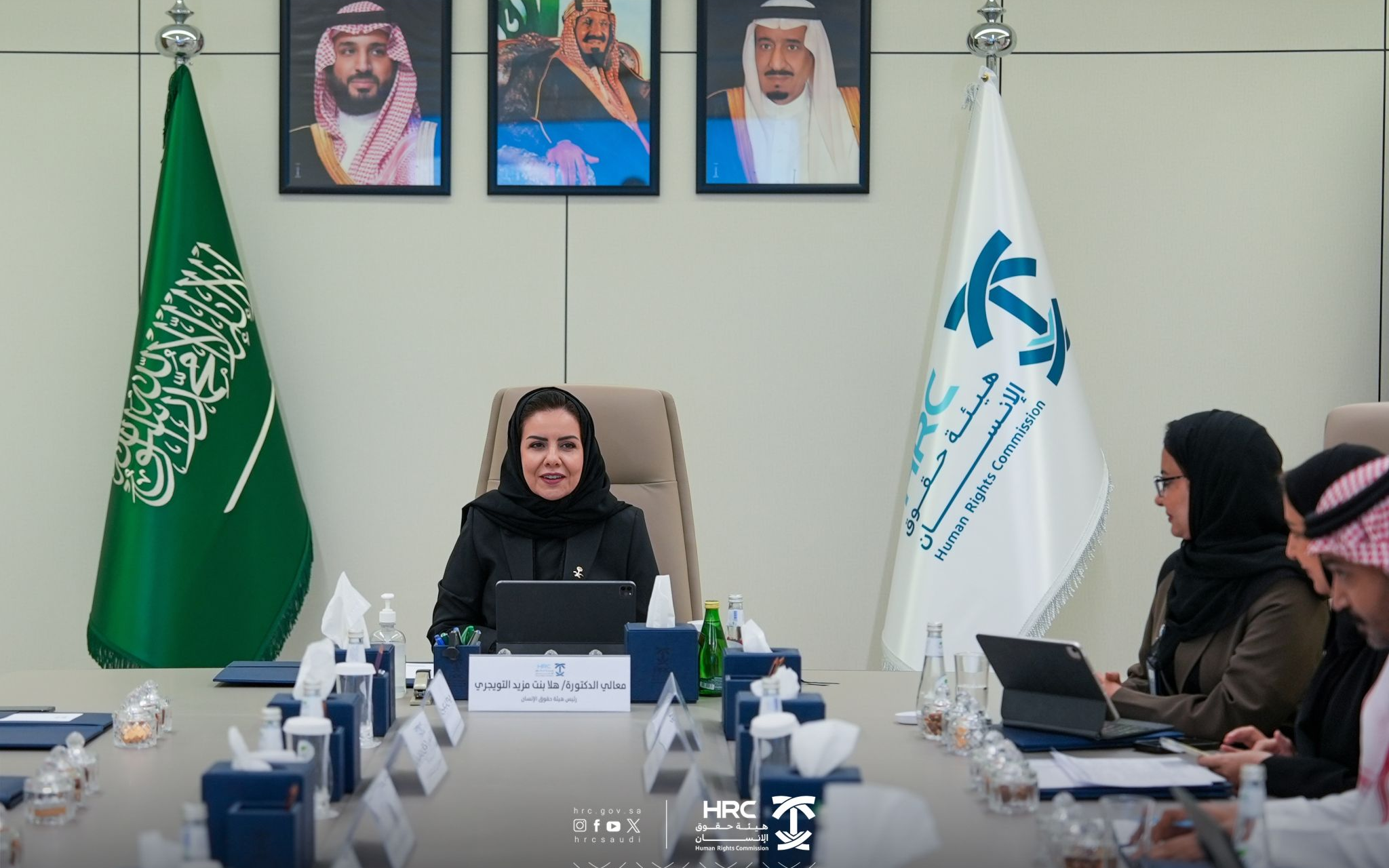
Before assuming leadership of the Human Rights Commission, Hala Al-Tuwaijri played a central role in shaping social policy as Secretary General of the Family Affairs Council. The Council focuses on strengthening the Saudi family as the cornerstone of a vibrant society, paying particular attention to children, women, the elderly, and people with disabilities.
In this role, she worked to connect family issues with broader national strategies, ensuring that policies in education, labour, and social development remained aligned with the needs of households across the Kingdom. This approach reflects a core Vision 2030 principle: sustainable progress must begin with strong, cohesive, and supported families.
Global Voice for Women’s Empowerment
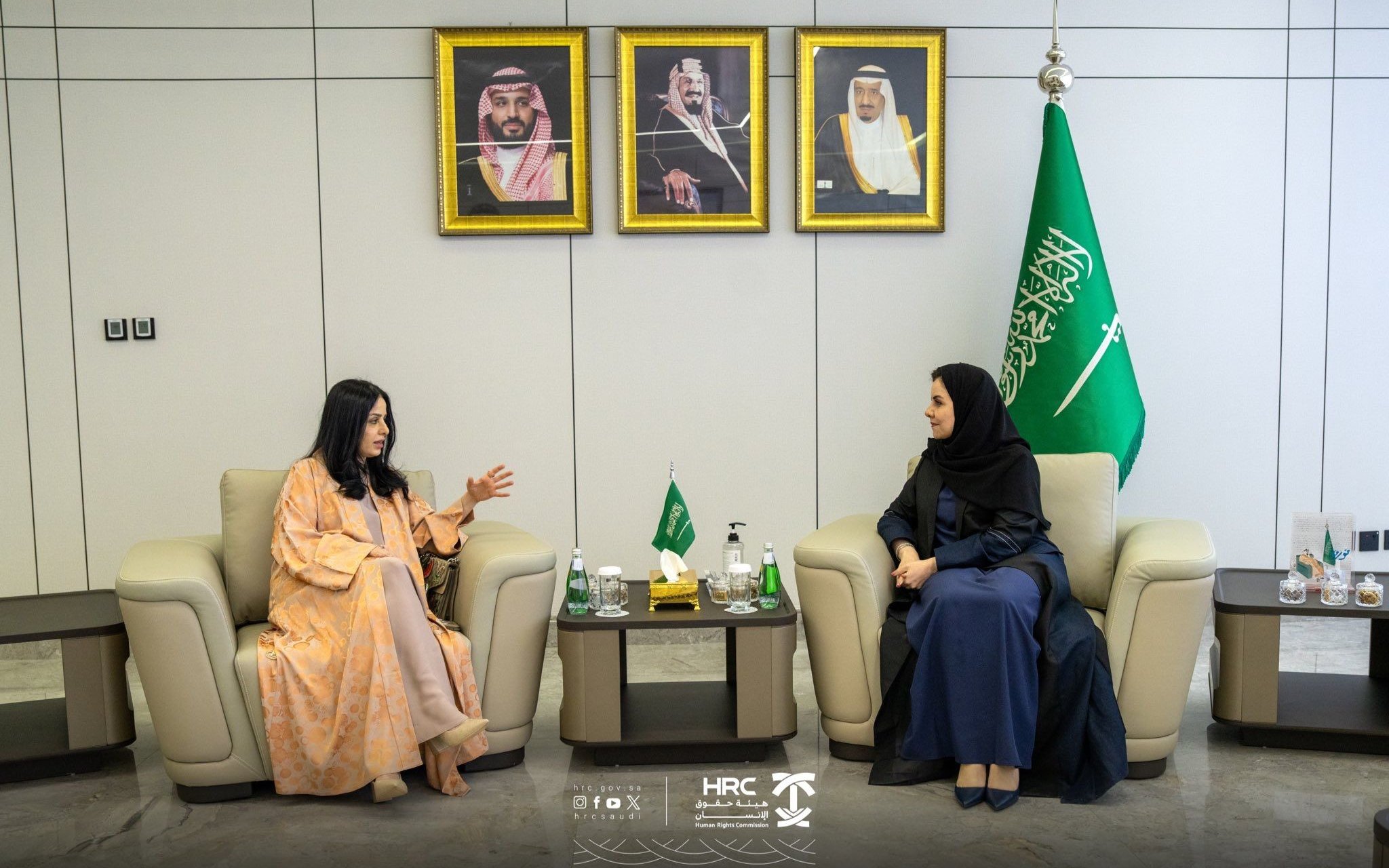
Hala Al-Tuwaijri's influence extended internationally when she headed the Women’s Empowerment Working Group for the G20 Riyadh Summit. There, she helped represent Saudi Arabia in global discussions on women’s economic and social participation. Her leadership sent a clear message: empowering women is not only a national priority, but also a central part of the Kingdom’s contribution to the global agenda.
For many young Saudis, especially women, her journey demonstrates that the doors of influence and leadership are open in fields once considered distant from human rights and diplomacy to high-level policy design.
Scientific Innovation and Global Recognition
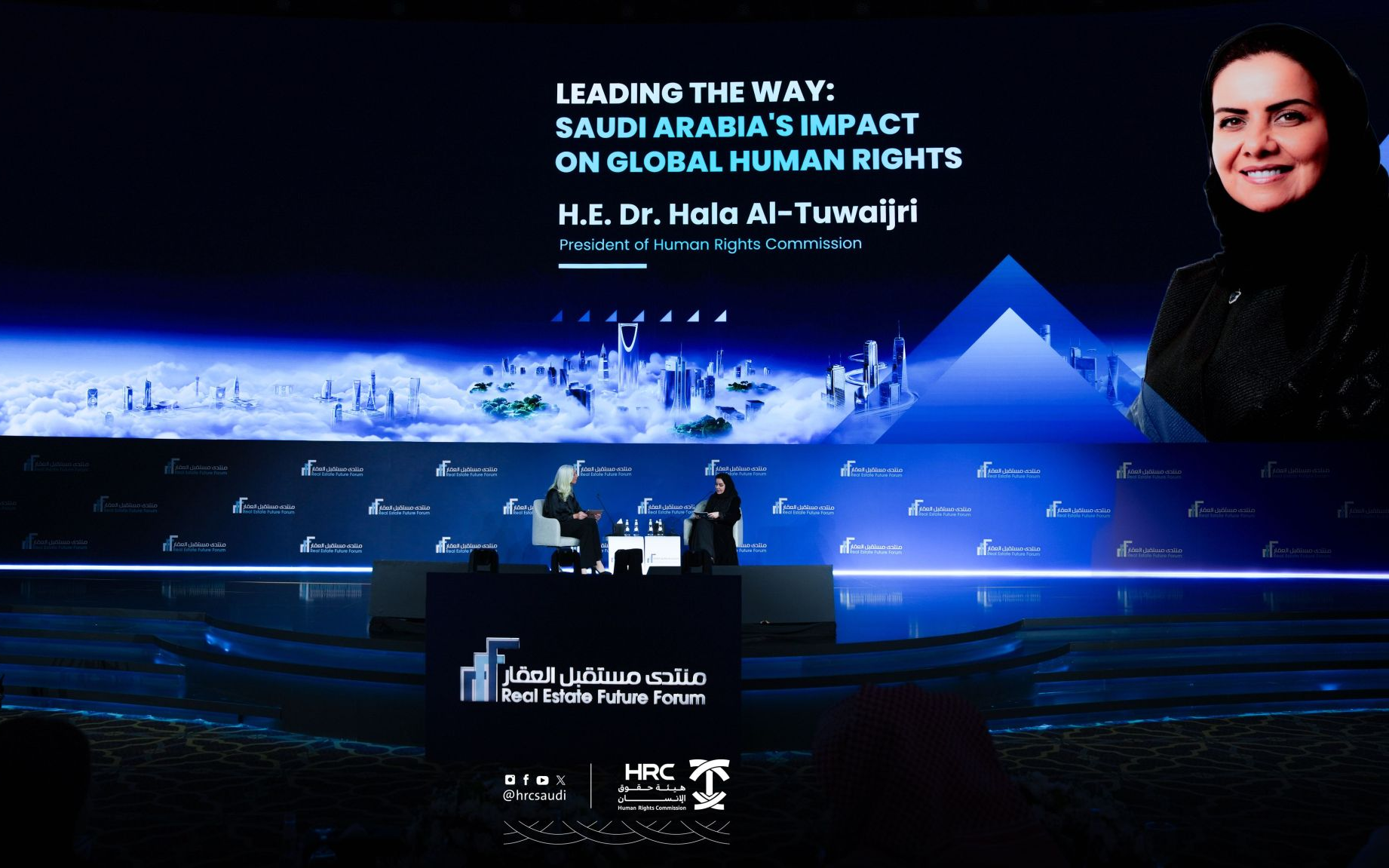
Although her academic roots are in literature, Hala Al-Tuwaijri’s approach to policy is grounded in evidence, institutional rigour, and measurable impact. Her national contributions were recognized with the King Abdulaziz Medal (Second Class), one of the Kingdom’s highest honours, an acknowledgment of her role in advancing social and human rights reforms.
She has been closely involved in initiatives that encourage equal opportunities and fair treatment in employment and occupation, reinforcing the principle that sustainable economic growth requires inclusive labour markets. Through her positions, she has also supported programs to protect vulnerable groups and improve access to justice and social support.
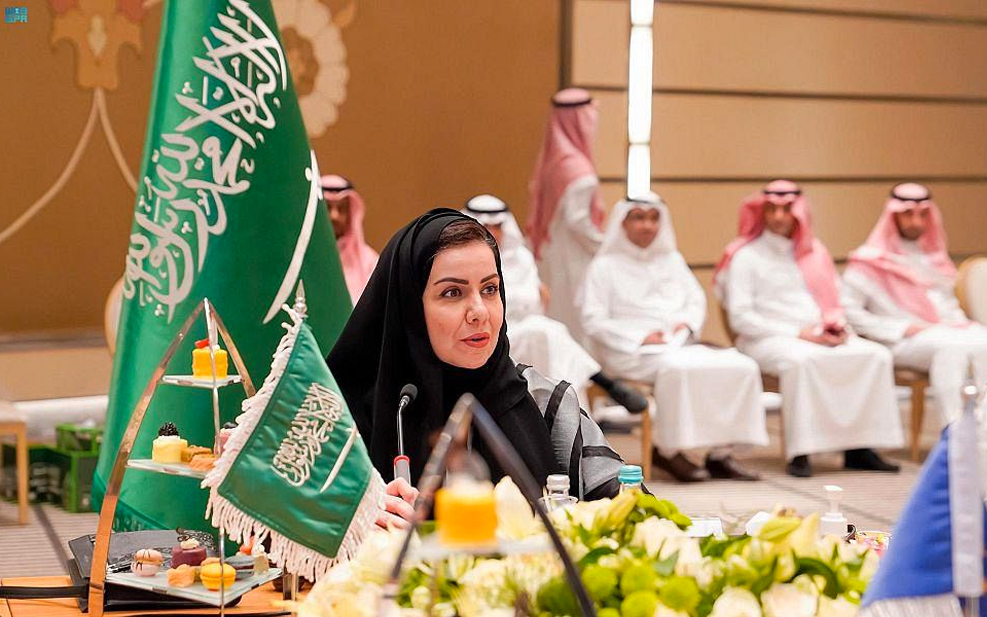
Global Human Rights Diplomacy
In recent years, Hala Al-Tuwaijri has also become one of the Kingdom’s most prominent diplomatic voices on human rights. As President of the Human Rights Commission, she has led a series of high-level diplomatic engagements with partners in Europe and Central Asia, strengthening Saudi Arabia’s international partnerships in this vital field.
In Europe, she held meetings with senior officials from the European Parliament, the European External Action Service, the European Commissioner for Humanitarian Aid, and the British Ambassador to name a few. These discussions centred on shared human rights priorities, humanitarian cooperation, and the importance of dialogue based on mutual respect. Through these engagements, she helped position Saudi Arabia as a proactive and constructive partner in addressing global challenges.
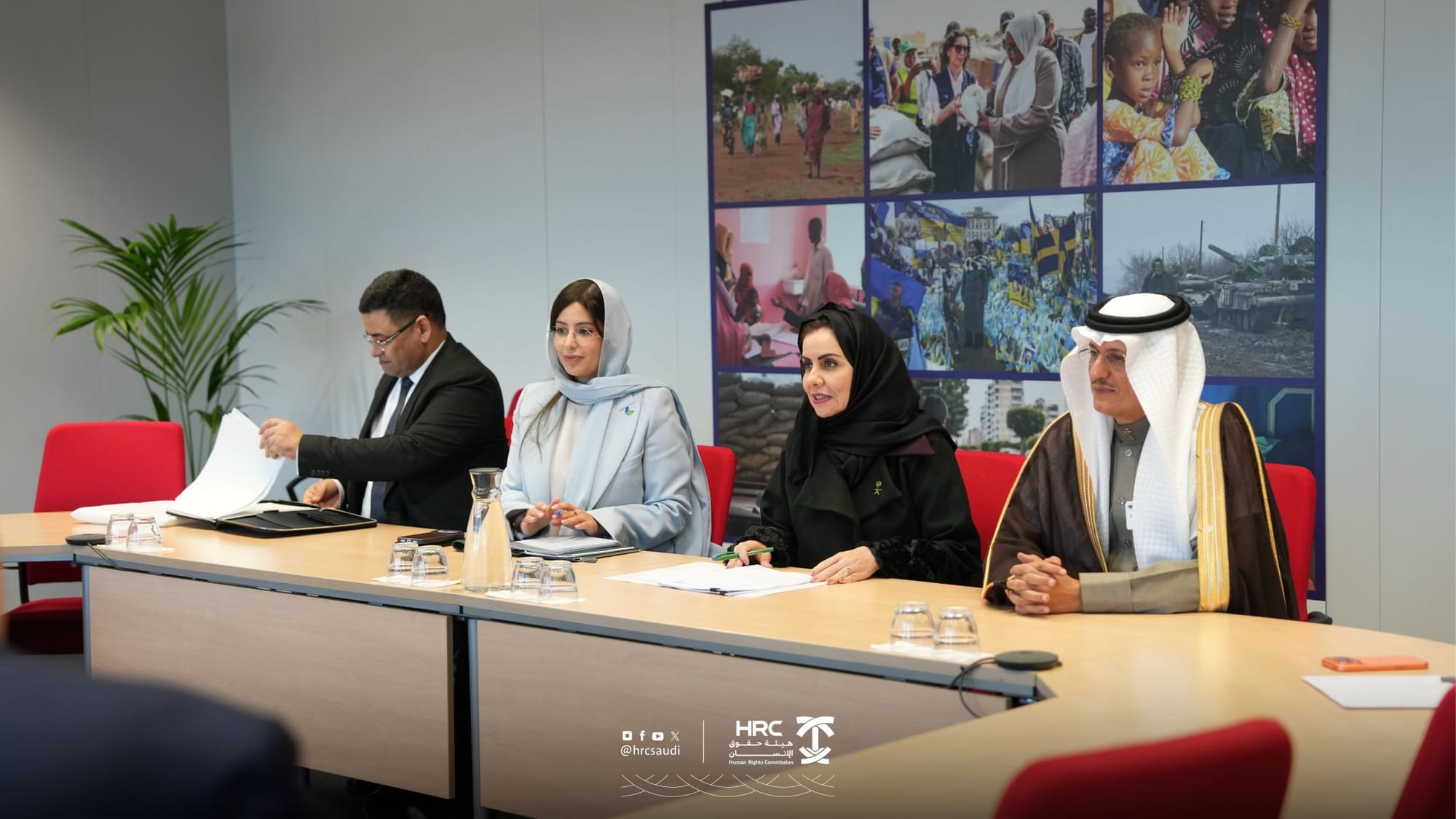
Partnerships with the United Nations and Central Asia
Her outreach also included launching cooperation programs with the United Nations, opening channels for technical collaboration, capacity development, and joint initiatives. Across all these visits, her message remained consistent: Saudi Arabia’s growing global presence is tied to responsible engagement, humanitarian concern, and a shared commitment to protecting human dignity. Her diplomatic work underscores that Vision 2030 is not only about internal transformation, but also about taking a confident place in the international human rights arena.
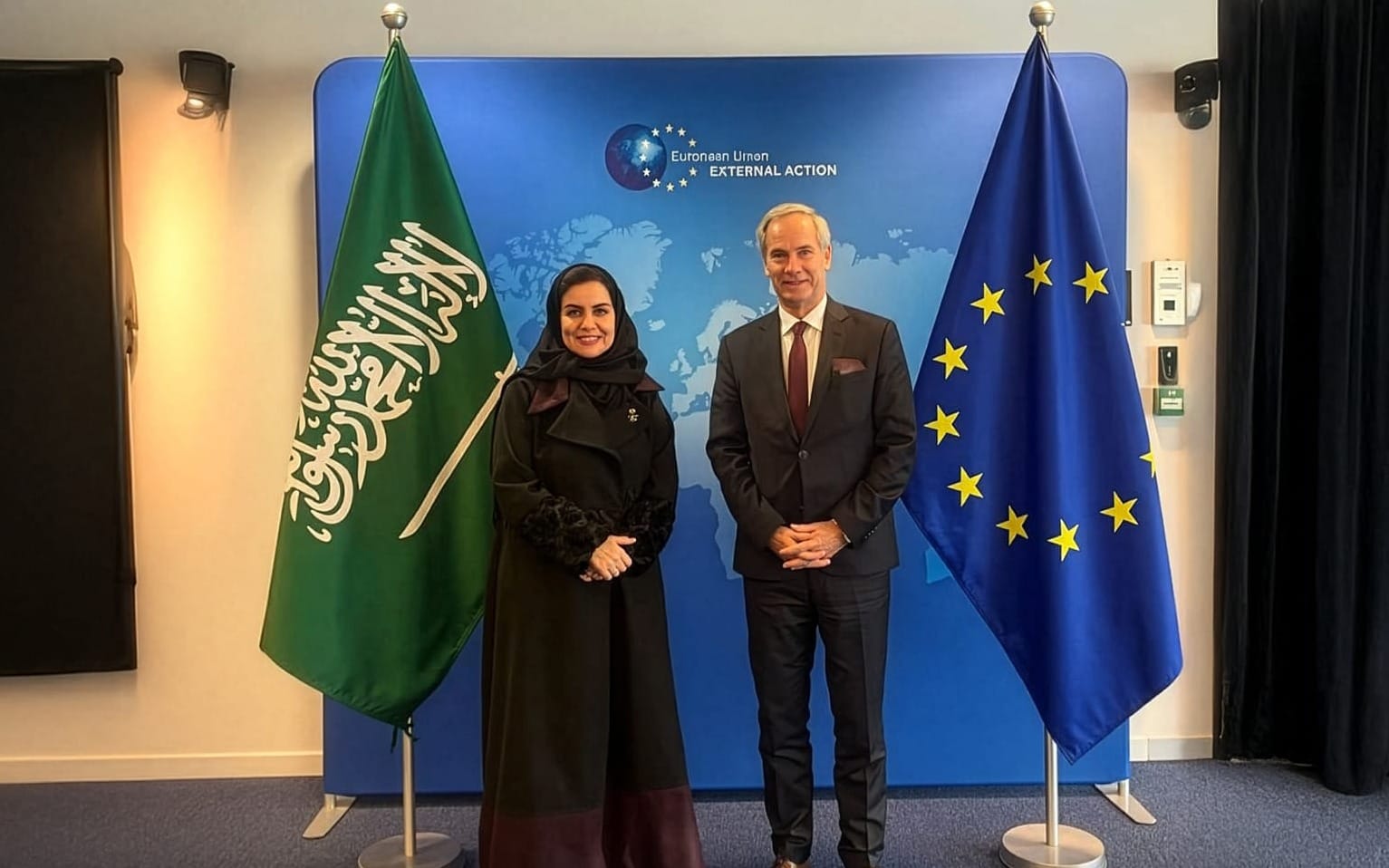
Recognition and Legacy
Today, Hala Al-Tuwaijri is widely regarded as one of Saudi Arabia’s leading figures in human rights and social development. Her work has been highlighted across the region, and she has been recognized as an inspiring woman in the Gulf for her achievements and contributions. Her legacy can already be seen in the institutions she has helped shape: a more active and visible Human Rights Commission, stronger integration of human rights considerations into national policies, and greater representation of women in strategic decision-making roles.
At the same time, her international engagements have strengthened the Kingdom’s voice in global forums, presenting a balanced narrative that blends national values with universal principles. Perhaps most importantly, her story demonstrates a new model of Saudi leadership, one that is academically grounded, globally engaged, and deeply committed to service. For the latest generation of Saudis, she embodies the idea that influence comes not only from titles but from a sustained dedication to building better systems and opportunities for others.
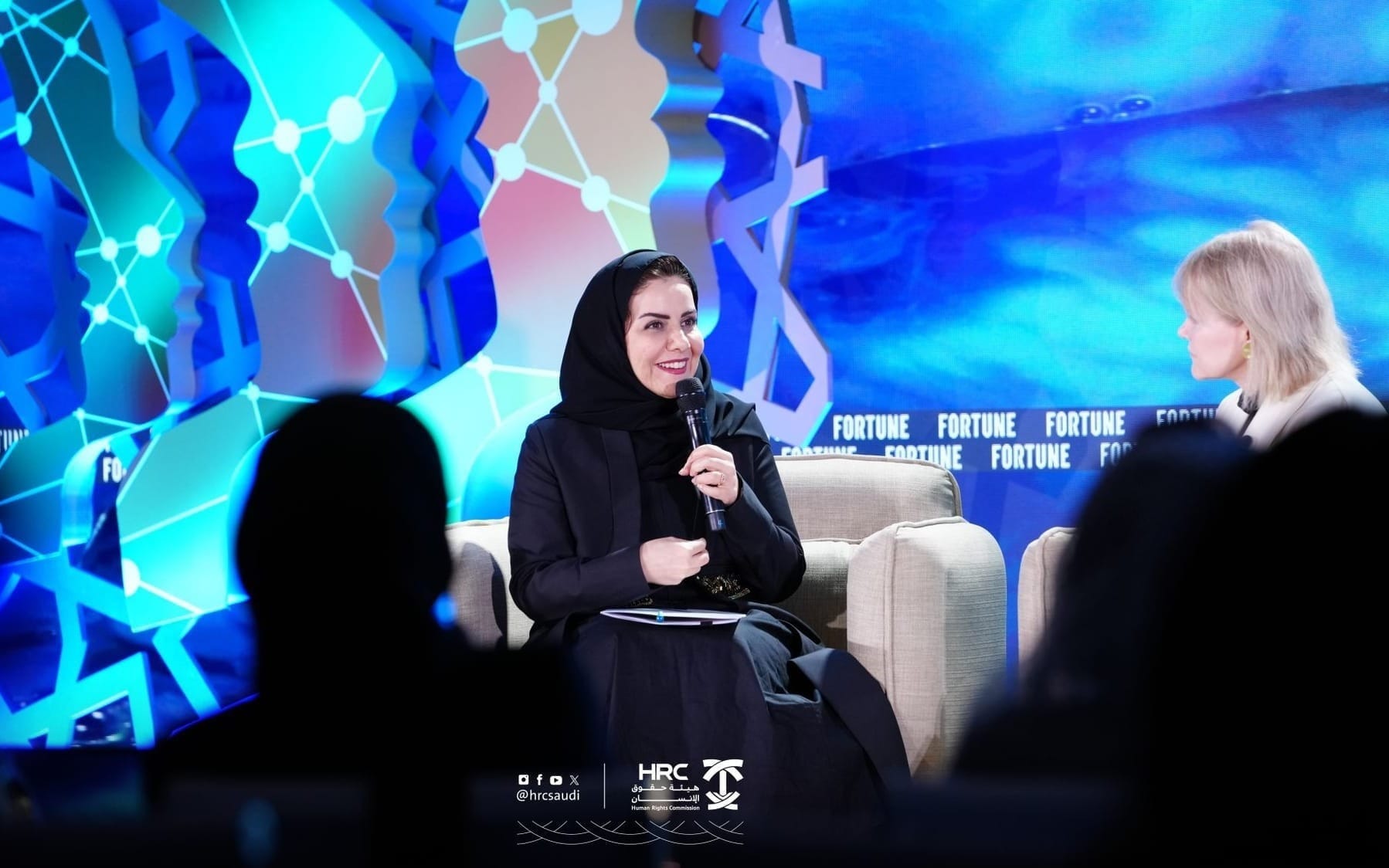
Reform to Real Impact
As Saudi Arabia continues its journey under Vision 2030, the example of Hala Al-Tuwaijri reminds us that national transformation is ultimately powered by people leaders who are willing to listen, to build institutions, and to stand for human dignity at home and abroad. Her journey from the lecture halls of King Saud University to the leadership of the Human Rights Commission reflects the Kingdom’s own evolution: more confident, more inclusive, and more engaged with the world.
For young Saudis looking ahead, her story offers both inspiration and a roadmap. With knowledge, dedication, and a commitment to the common good, they too can contribute to a future where progress and human rights move forward together.
1. Breakthrough Leader in Human Rights
As the first woman to lead Saudi Arabia’s Human Rights Commission, she opened new doors for women in one of the Kingdom’s most important public service sectors.
2. Academic Voice Turned National Policymaker
From English literature and university leadership at King Saud University, she transformed her skills in research, communication, and critical thinking into national-level reform.
3. Champion of Families and Vulnerable Groups
Through her work with the Family Affairs Council and the Human Rights Commission, she helped place families, children, women, the elderly, and people with disabilities at the heart of social development.
4. Global Bridge for Saudi Human Rights
Through international forums, G20 women’s empowerment work, and diplomatic engagement, she helps present Saudi Arabia’s reform story with confidence, values, and Vision 2030 ambition.
Discover more inspiring stories at Saudi Wins, where Vision 2030 comes to life.