
Waleed Al-Ibrahim: Founder of MBC & Arab Media Pioneer
Discover Waleed Al-Ibrahim’s journey from ARA to founding MBC, pioneering Arab satellite television and shaping Saudi media under Vision 2030.
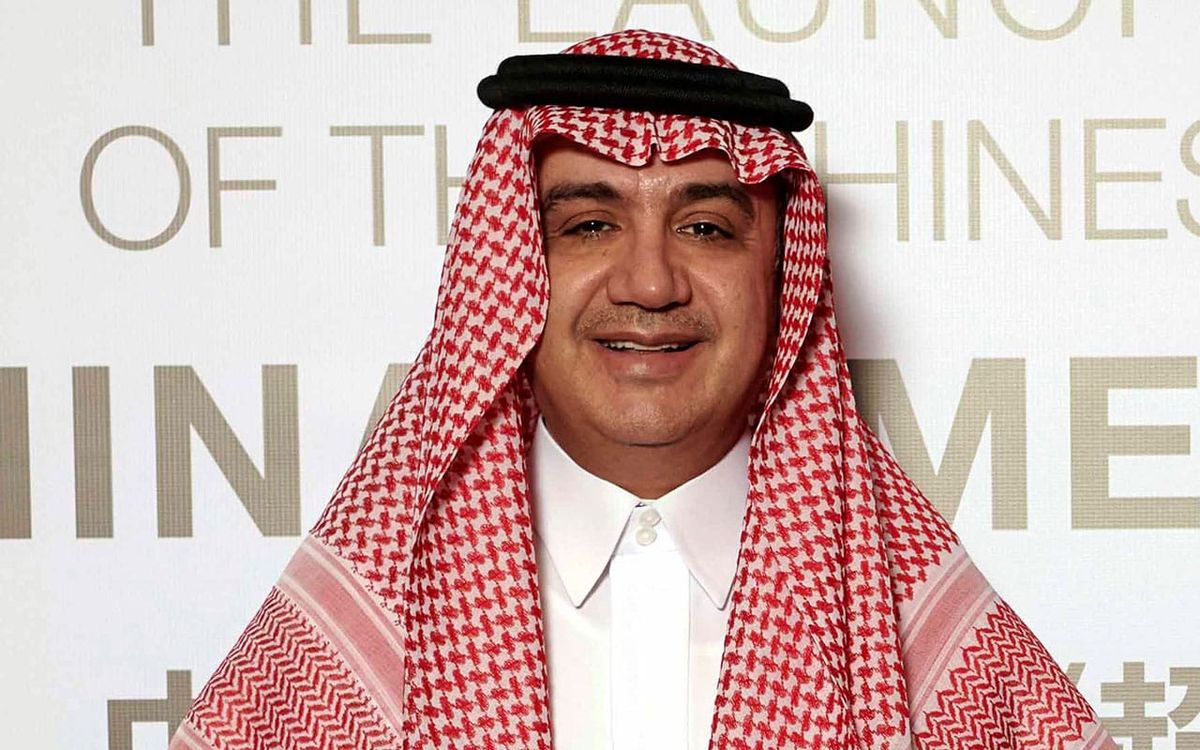
Long before Saudi Arabia’s creative economy became a pillar of Vision 2030, a young Saudi entrepreneur was asking a simple question: why couldn’t Arab audiences have media produced to the same standards as the world’s leading broadcasters? For Waleed bin Ibrahim Al-Ibrahim, the answer became a career spanning more than four decades.
He began by producing documentaries about Saudi Arabia’s development, went on to found MBC in 1991, pioneered pan-Arab commercial satellite broadcasting, expanded into news and specialized entertainment, and ultimately built one of the region’s most influential media groups.
Today, with MBC headquartered in Riyadh and publicly listed on the Saudi Exchange, Waleed Al-Ibrahim’s journey has come full circle, from a young entrepreneur trying to show the world Saudi Arabia’s progress to a media leader helping build the Kingdom’s next creative economy.
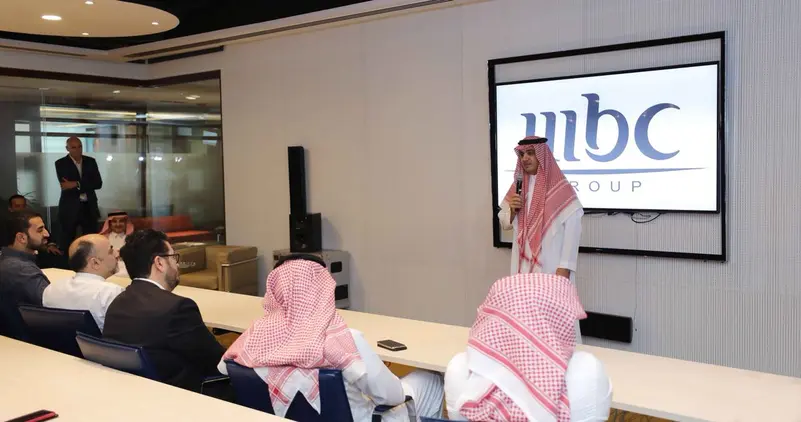
An Unexpected Beginning in Media
Born in Riyadh in 1962, Waleed Al-Ibrahim studied in the United States, earning a bachelor’s degree in Business Management and Media from Portland State University in 1984. When he returned to Saudi Arabia, however, he did not have a carefully mapped-out media career waiting for him. In 1985, he established a business with his brothers Saud, Majed and Muhammad. The Kingdom’s economy was opening new opportunities for Saudi entrepreneurs, and Waleed Al-Ibrahim began exploring where those opportunities might lead.
Media was not initially part of the plan. That changed through a series of opportunities that led Al-Ibrahim into television production and ultimately to the establishment of ARA Productions and Television Studios, known as ARAvision. ARA became his early platform for learning the realities of production, financing, quality control and content distribution, experience that would later shape the creation of MBC.
One of ARA’s defining early opportunities emerged from an idea close to Al-Ibrahim personally. While studying in the United States, he had felt there was too little high-quality visual material capable of showing international audiences how rapidly Saudi Arabia was developing. Rather than simply talk about that gap, he decided to produce the material himself.
Showing the World a Changing Saudi Arabia
Instead of approaching the Ministry of Information with only a written proposal, Waleed Al-Ibrahim invested a significant portion of his young company’s resources in producing an actual pilot documentary. Its subject was Jubail and Yanbu, two enormous industrial developments symbolizing Saudi Arabia’s economic transformation. The proposal envisioned approximately 20 films documenting progress across different sectors of the Kingdom.
The pilot eventually reached King Fahd, who personally watched the film and supported the idea of producing high-quality material capable of presenting Saudi Arabia’s development internationally. The initiative expanded significantly, with Al-Ibrahim recalling that the project ultimately reached around 70 films.
But the experience also established a principle that would follow him throughout his career: credibility mattered more than short-term profit. When early productions failed to match the quality of his pilot, Waleed Al-Ibrahim refused to compromise. Despite potentially significant profits, he restructured the production operation and invested in stronger international and Arab creative talent. He also brought in his former university colleague Ali Al-Hedaithi, beginning a professional partnership that would continue through MBC’s development.
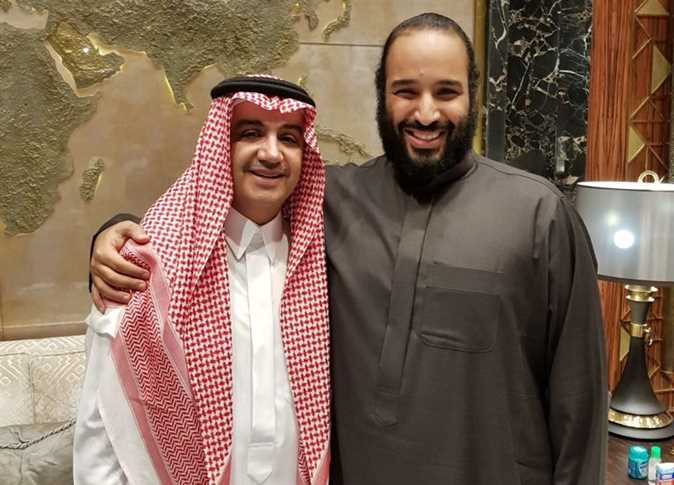
The Problem That Inspired MBC
As Waleed Al-Ibrahim looked beyond documentaries toward drama and entertainment, he encountered a much bigger limitation. Arab television distribution was largely controlled by government broadcasters. Each country operated according to different regulations, censorship requirements and purchasing systems. A production company could create excellent content and still remain dependent on individual state broadcasters to reach audiences.
Al-Ibrahim began questioning that entire model. Instead of continuing to depend on broadcasters across the Arab world, why not create the broadcaster itself? That question became the seed of MBC. His ambition was to build a channel capable of combining Arab identity with the production quality he had seen in Europe and the United States. After discussions that eventually brought him together with businessman Saleh Kamel, the project moved forward.
On 18 September 1991, MBC began broadcasting from London. Waleed Al-Ibrahim was sitting inside the control room as its first news bulletin was broadcast. Arab television had entered a new era.
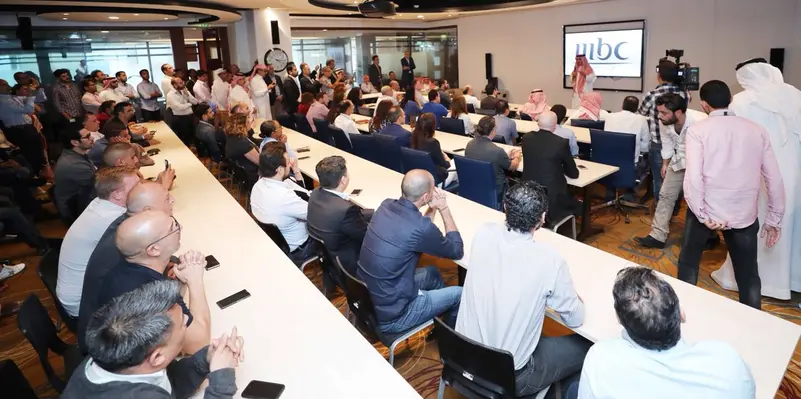
Pioneering Pan-Arab Television
London offered MBC an established Arab media community, access to international talent and the freedom needed to pursue Waleed Al-Ibrahim’s vision. MBC combined news, entertainment, movies and family programming in a single pan-Arab satellite channel. Instead of designing television around one country, it was designed for an audience stretching across the Arab world.
Success was far from immediate. The group faced high production costs, limited early satellite penetration and uncertain advertising economics. Al-Ibrahim says MBC required roughly a decade to reach break-even. His original partnership with Saleh Kamel eventually ended, with Al-Ibrahim acquiring Kamel’s stake and continuing to build MBC.
One major turning point came through Who Wants to Be a Millionaire?, which demonstrated the power of large-scale entertainment formats and helped accelerate MBC’s move beyond acquired films toward more ambitious programming. But another breakthrough came from what initially looked like failure.
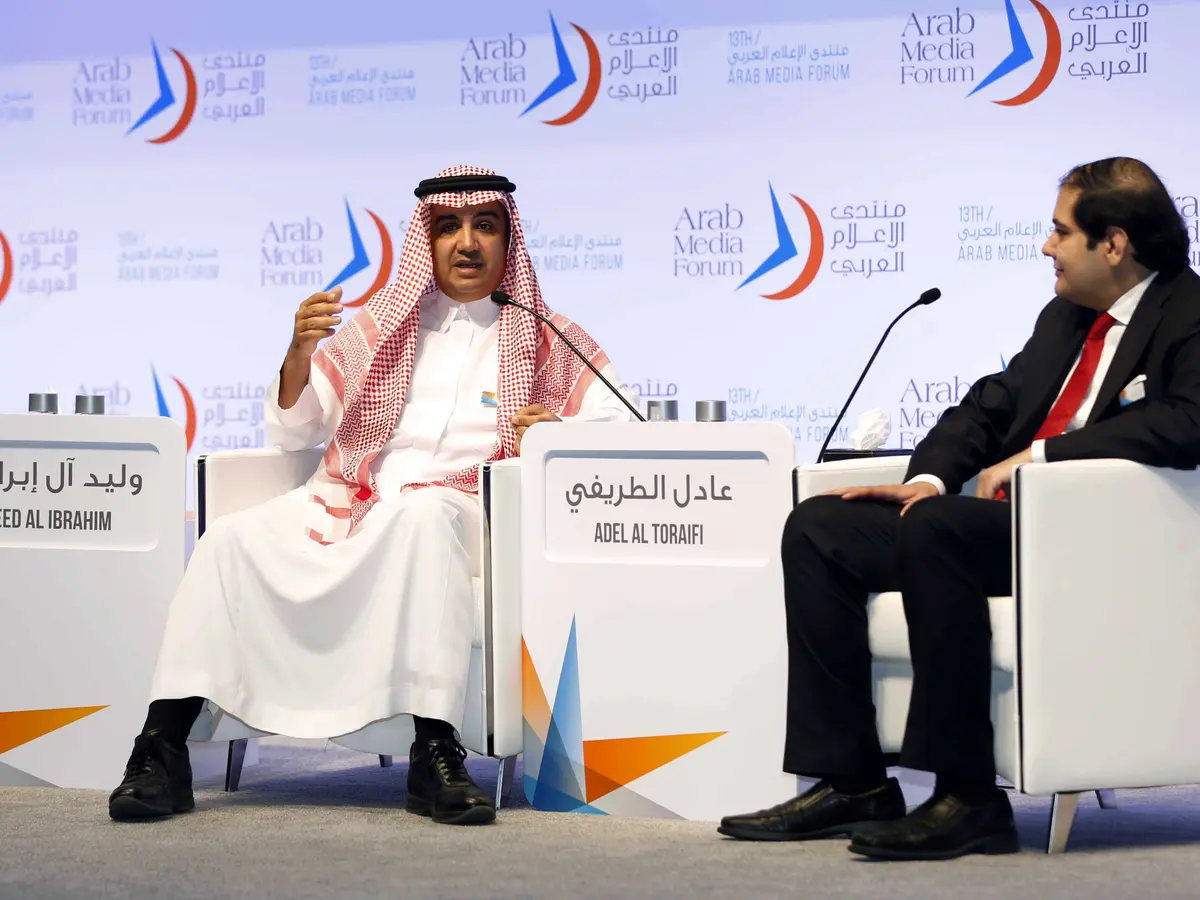
Turning a Failed Project into an Expansion Strategy
During the 1990s, MBC invested heavily in plans for a Saudi cable television operation inspired partly by Britain’s SKY model. The project was eventually cancelled. By then, however, MBC had already secured substantial international content rights, including agreements with Hollywood studios. What could have become a costly liability was transformed into an opportunity.
Those content assets ultimately helped fuel MBC’s expansion into specialized channels including MBC2, MBC3, MBC4, MBC Action and MBC Max. A failed cable strategy had helped create the foundations for a multi-channel media group. That ability to adapt would become one of the defining characteristics of Al-Ibrahim’s career.
Scaling MBC from London to Dubai
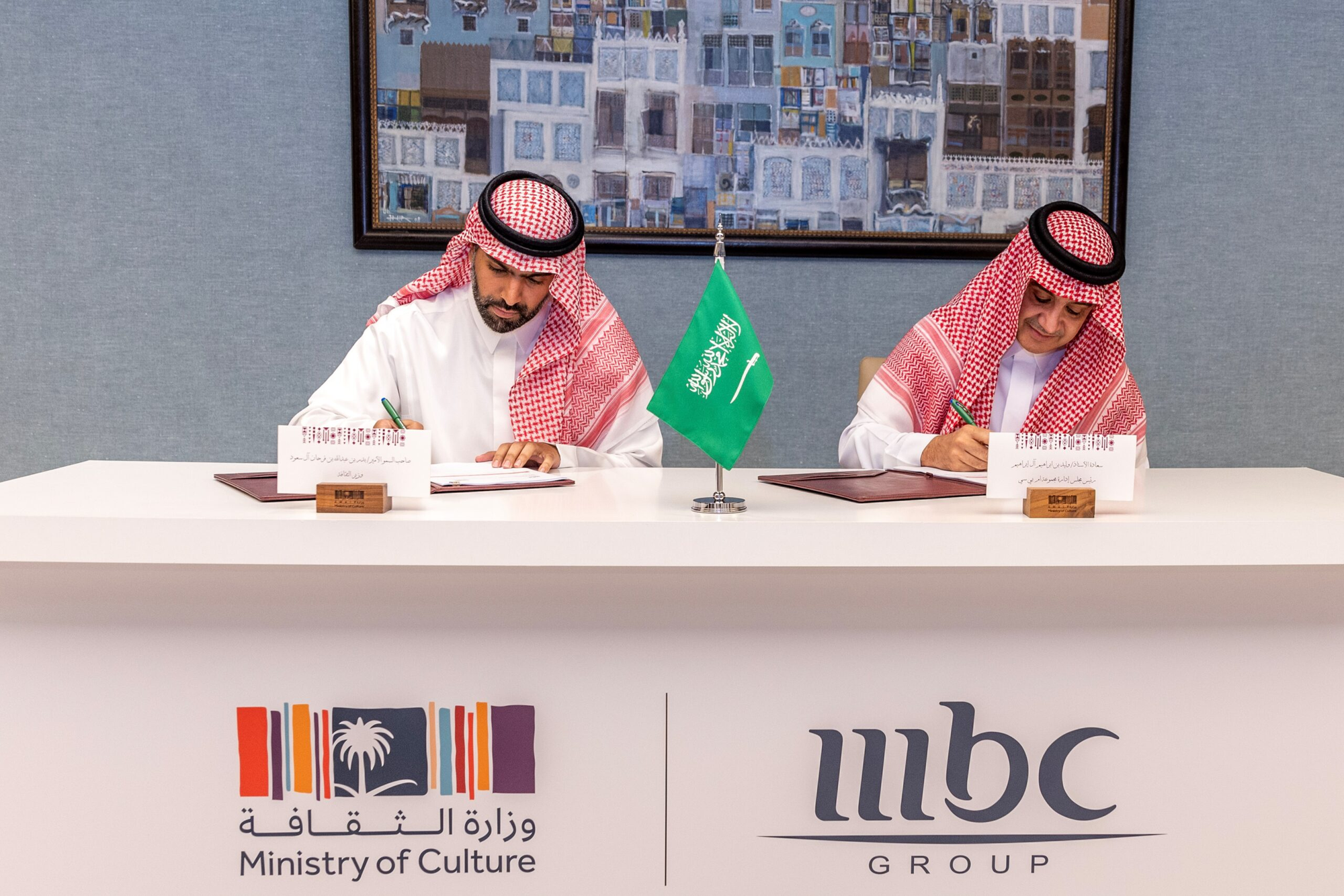
By the end of the 1990s, London had become increasingly expensive for the growing organization. Several destinations sought to attract MBC, but Dubai ultimately provided the combination of infrastructure, operating economics and media environment the group needed. When MBC’s team initially estimated that it would require only two floors in its new building, Waleed Al-Ibrahim saw something larger. He took the entire building.
His reasoning was forward-looking: MBC was not relocating simply to recreate what it already had. He expected more employees, more channels and more growth. Around half of the London workforce moved, operating costs fell, and MBC’s expanding channel portfolio increased its advertising opportunities. The group soon reached the break-even point it had spent years pursuing.
"Sheikh Mohammed opened the doors of Dubai for us. And he informed us about his vision for Dubai, not only at the real estate and construction level, but also in terms of the society, the composition of the community."
Building Institutions Beyond Entertainment
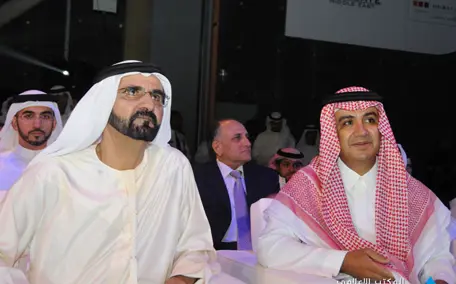
Waleed Al-Ibrahim’s ambitions extended beyond entertainment. In 2003, Al Arabiya was launched, establishing a 24-hour Arabic news operation within the wider MBC ecosystem. Al-Ibrahim had initially been cautious about the economics of a free-to-air news channel. Unlike subscription-supported American networks or publicly funded broadcasters, the commercial model was difficult.
Nevertheless, MBC moved ahead and funded the channel as it entered another major segment of Arab media. Not every expansion succeeded. MBC’s experience in Saudi sports broadcasting later demonstrated another side of Al-Ibrahim’s leadership: the willingness to leave a high-profile sector when its commercial structure no longer matched the group’s model. Rather than pursue scale for its own sake, he was prepared to change course.
Learning from Failure and Technological Disruption
Waleed Al-Ibrahim’s career also contains expensive lessons. One of the most striking was MBC’s acquisition of the international news agency United Press International (UPI) in the early 1990s. What appeared to be an attractive acquisition came with substantial obligations and ultimately became one of the group’s most difficult investments. The experience also exposed Al-Ibrahim to the emergence of the internet and the danger established media organizations faced when they underestimated technological change.
It was a lesson that would become increasingly relevant as television itself moved online. Rather than assuming satellite broadcasting would remain dominant forever, MBC began building for another transformation.
From Satellite Television to Streaming
MBC entered online video early, launching Shahid in 2008 as a service allowing audiences to catch up on programs they had missed. Over time, the platform evolved from a digital extension of television into a much larger streaming proposition. For Waleed Al-Ibrahim, timing mattered. MBC considered greater subscription investment earlier, but broadband infrastructure and consumer behavior had not yet matured sufficiently across the region.
By 2020, the environment had changed dramatically. Internet access had improved, global streaming services had familiarized audiences with subscription video, and MBC accelerated investment in Shahid. The result was another reinvention of the company Al-Ibrahim had founded in the satellite era. His career now spanned two fundamental media revolutions: satellite broadcasting and digital streaming.
Coming Home to Riyadh
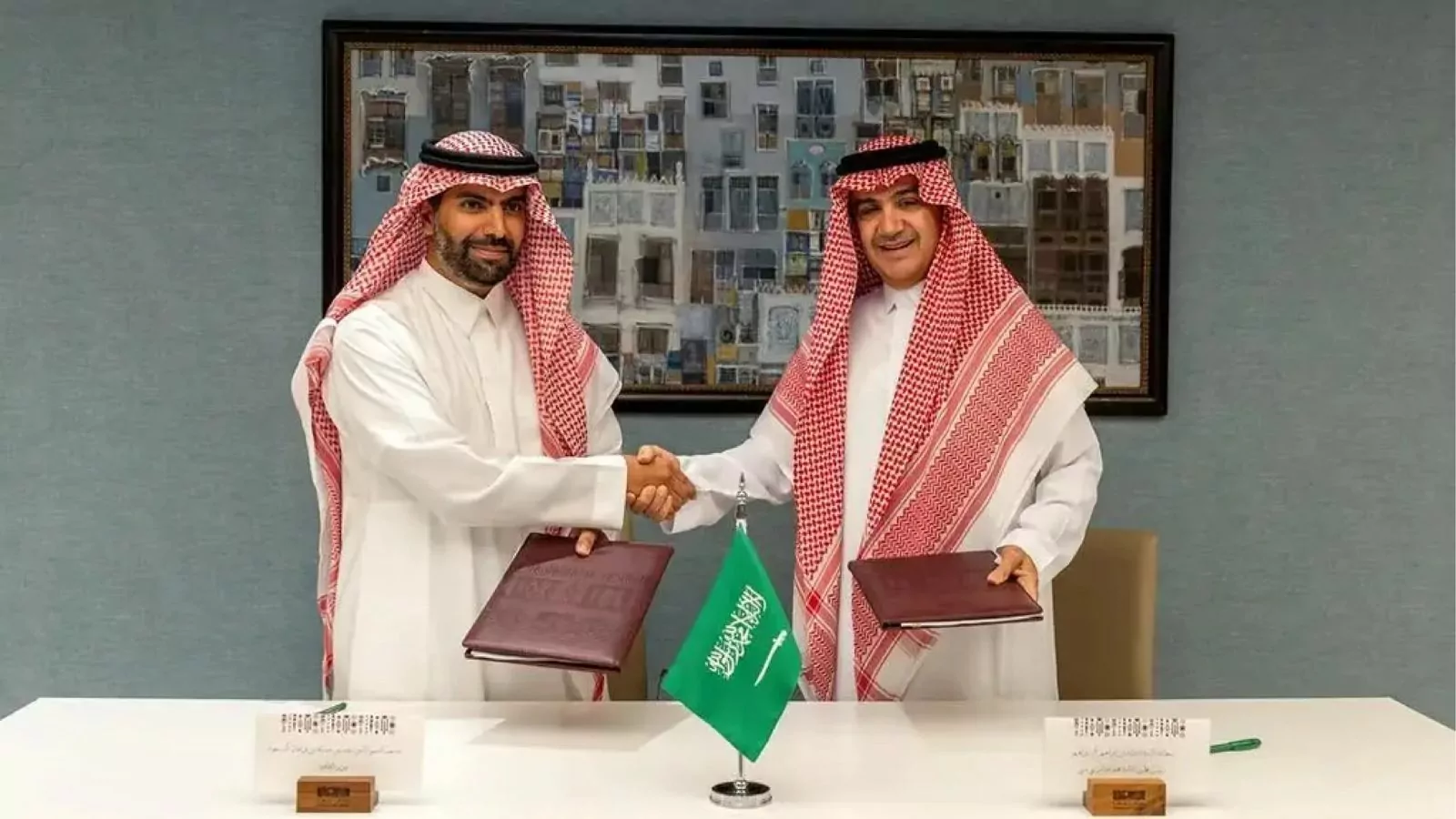
The next transformation was geographic, and deeply symbolic. After more than three decades operating principally from London and Dubai, MBC established its new headquarters in Riyadh in 2022. For Waleed Al-Ibrahim, it fulfilled a long-held ambition. He described establishing MBC in its homeland after roughly 30 years abroad as a dream. The timing was significant. Vision 2030 was rapidly expanding Saudi Arabia’s entertainment, film, television, gaming, events and cultural industries. The Kingdom was no longer simply a major consumer of regional entertainment, it was building the infrastructure and talent to become a major producer. MBC could now participate from inside that transformation.
Building Saudi Arabia’s Creative Talent
One of the strongest connections between Waleed Al-Ibrahim’s legacy and Vision 2030 is human capital. Through MBC Academy and related initiatives, the group has invested in developing Saudi talent not only in front of the camera but behind it in production, cinematography, lighting, makeup and other technical and creative disciplines.
Al-Ibrahim described Academy programs as having reached approximately 18,000 young Saudi men and women by 2023, while individual productions were beginning to employ hundreds of Saudis across technical roles. That matters because a sustainable creative economy requires more than celebrities. It requires writers, producers, directors, technicians, editors, designers and production specialists capable of building an industry.
From Private Company to the Saudi Exchange
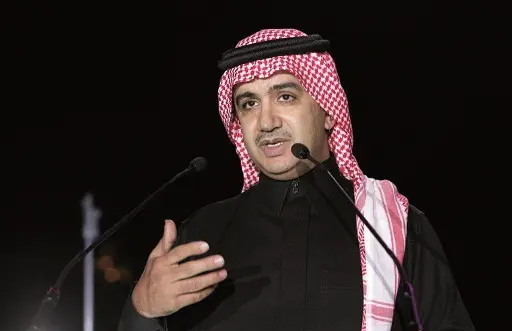
In January 2024, another major milestone arrived when MBC Group began trading on the Saudi Exchange. More than three decades after Waleed Al-Ibrahim launched MBC from London, the business had become a publicly listed Saudi media and entertainment company. The listing created a new platform for investment in content, Shahid and MBC’s wider entertainment ecosystem while anchoring the company more firmly within Saudi Arabia’s rapidly expanding creative economy.
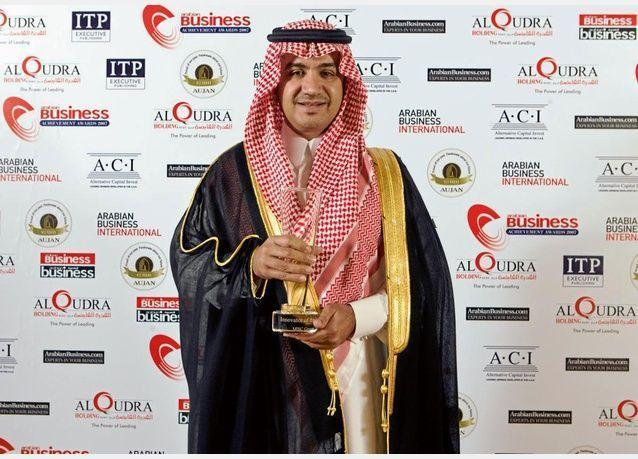
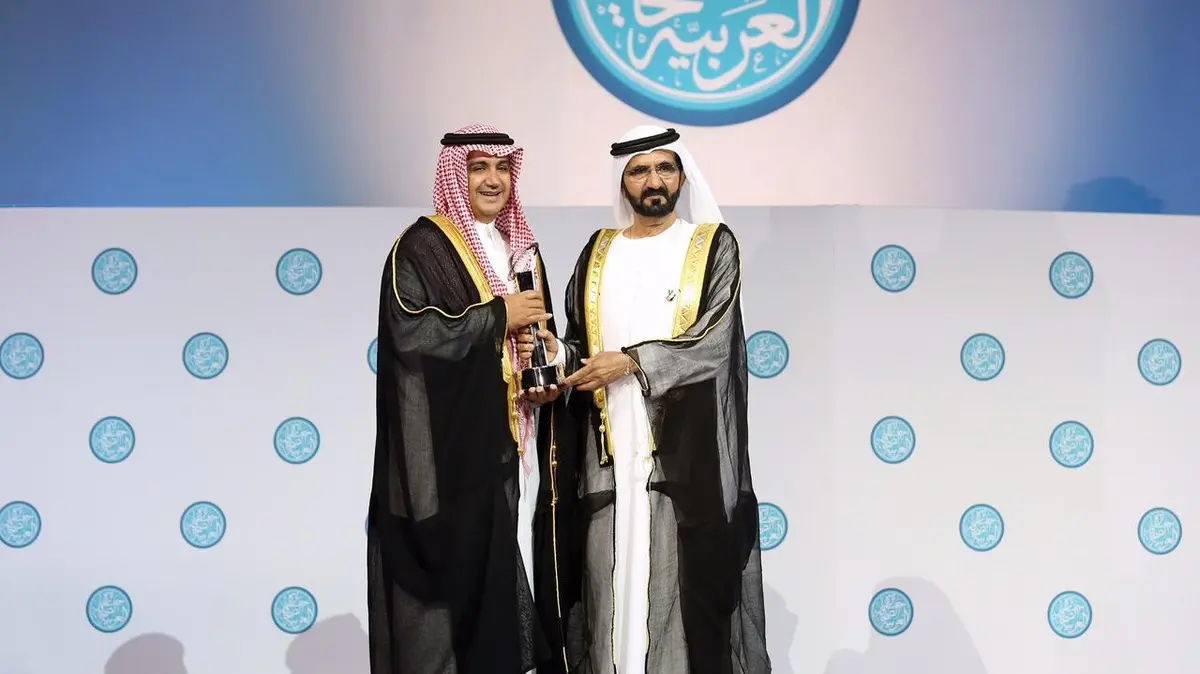
Al-Ibrahim remains Founder and Chairman of MBC Group, continuing to influence the organization he began building more than 30 years ago. His contribution has also received national recognition. He was chosen as the 27th most influential Arab among 100 Arab personalities by Arabian Business in 2007. He was also named Media Man of the Year at the 4th MENA Cristal Awards held in Lebanon in 2008. Other awards include the Knight award from the Arab League in 2006 and the Innovator of the Year award from Arabian Business, as well as being named the world’s 24th most influential Arab among 500 others in 2012. In 2021, he was awarded the King Abdulaziz Order of Merit, recognizing his achievements in media and broadcasting.
A Saudi Media Legacy Built for Reinvention
Waleed Al-Ibrahim’s story began before MBC. It began with a young Saudi returning from America, unsure which business he would pursue, who eventually found himself producing films to show the world how his country was changing. That mission grew into something much larger. And now, as Vision 2030 accelerates Saudi Arabia’s creative economy, the company he founded is entering another chapter.
Waleed Al-Ibrahim did not simply build MBC. He helped transform how the Arab world consumes media, and today, he is helping position Saudi Arabia to become one of the places where the region’s next generation of stories are created.
1. Pioneering Pan-Arab Broadcasting
By launching MBC in 1991, Al-Ibrahim helped establish a new model of Arabic satellite television capable of connecting audiences across national borders.
2. Building a Media Ecosystem
He transformed a single channel into a group spanning entertainment, news, streaming, production, advertising, gaming and other creative industries.
3. Developing the Next Generation of Saudi Talent
Through MBC Academy, MBC Studios and expanding local productions, the group is helping Saudi creatives build the technical and professional capabilities required for a sustainable media industry.
4. Supporting the Creative Ambitions of Vision 2030
By bringing MBC home to Riyadh and expanding across streaming, production and entertainment, Al-Ibrahim is positioning the institution he founded to contribute to Saudi Arabia’s emergence as a regional creative hub.
Discover more inspiring stories at Saudi Wins, where Vision 2030 comes to life.