
Dr. Tawfiq Al-Rabiah: Transforming the Pilgrim Journey
Discover how Saudi Arabia’s Minister of Hajj and Umrah, Dr. Tawfiq Al-Rabiah, is reshaping the pilgrim experience through digital transformation, smarter services, and Vision 2030 leadership.
Saudi Arabia serves millions of pilgrims from around the world every year. Delivering that experience requires coordination across visas, airports, transport, accommodation, healthcare, crowd management, digital services, security, and private-sector operators.
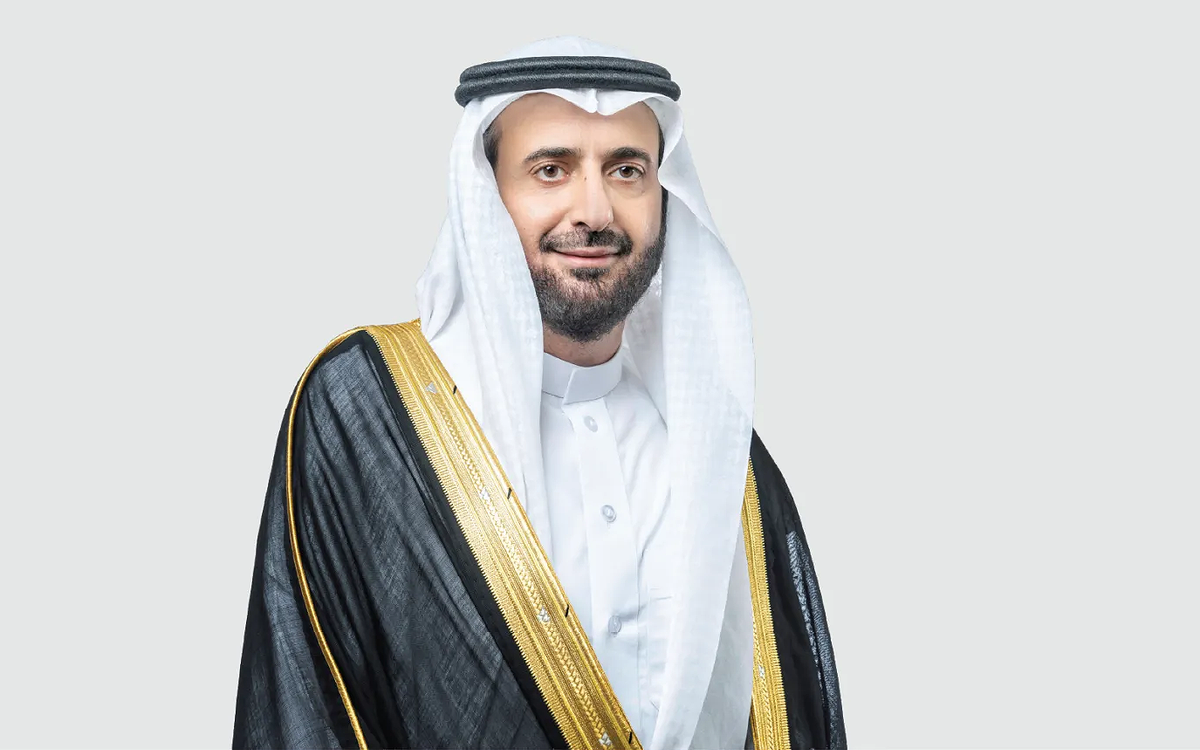
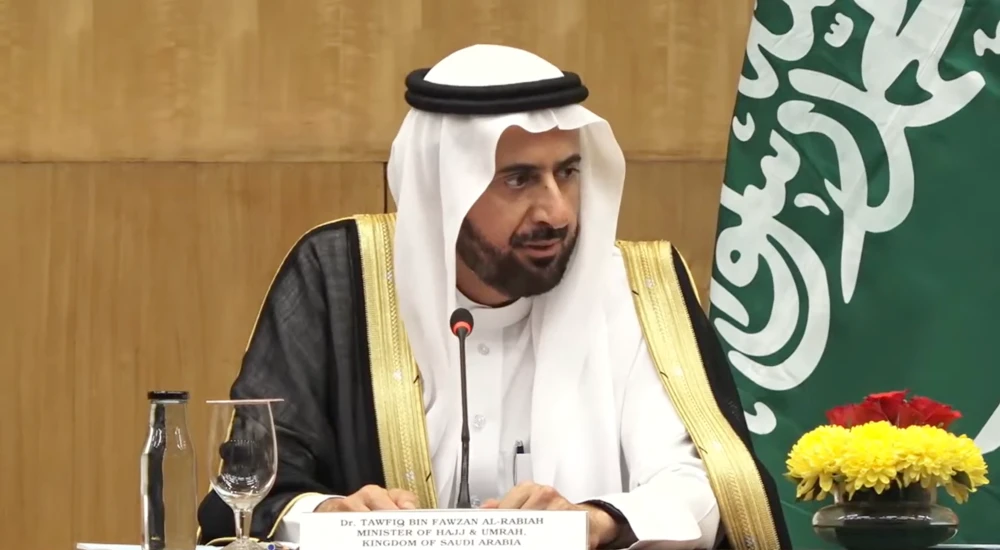
Since October 2021, Dr. Tawfiq Al-Rabiah has served as Saudi Arabia’s Minister of Hajj and Umrah. He also chairs the Pilgrim Experience Program, one of the programs supporting Saudi Vision 2030. His role is clear: improve the full pilgrim journey from planning and arrival to performing the rituals and returning home.
What makes Dr. Tawfiq Al-Rabiah especially suited to this mission is the experience he brings from several major sectors. Before Hajj and Umrah, he worked in academia, investment, industrial development, commerce, and healthcare. Across those roles, one pattern stands out: simplifying complex systems and improving how people experience public services.
From Computer Science to Public Leadership
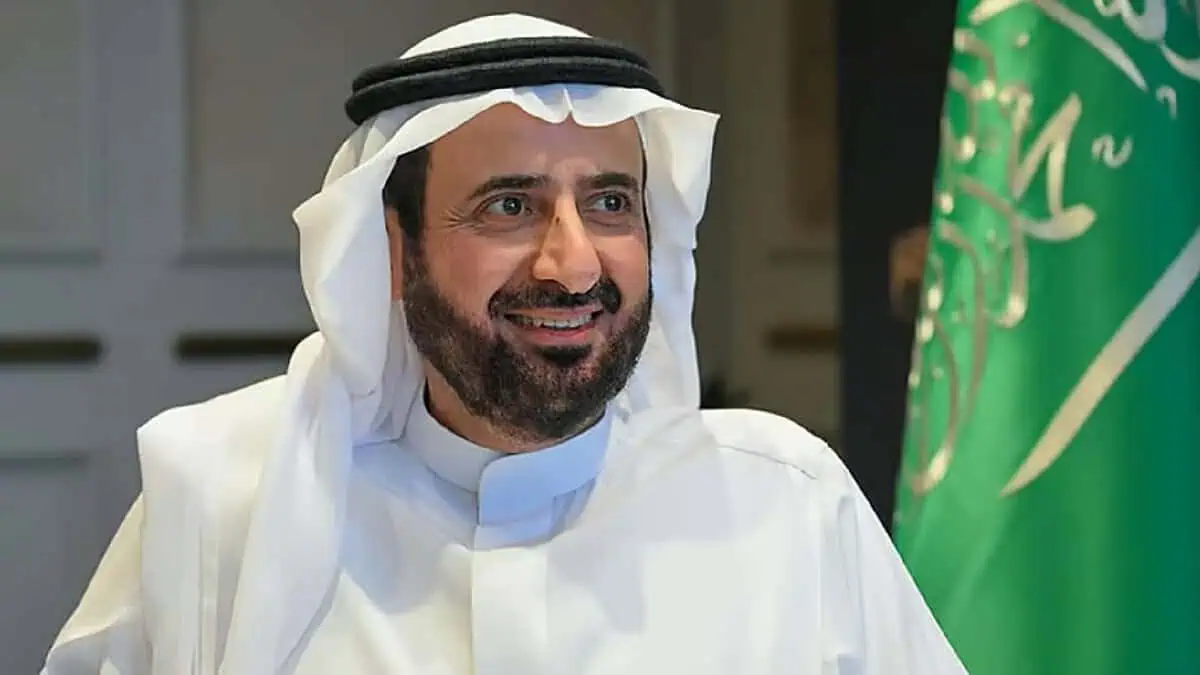
Dr. Tawfiq Al-Rabiah’s background began in technology. He earned a PhD in Computer Science from the University of Pittsburgh, completing his studies between 1994 and 1999. He later worked as an Assistant Professor at King Saud University from 1999 to 2002. His professional interests have long centered on innovation and change management.
His broader academic background includes studies in financial management, mathematics, information science, and computer science. His research focused on technical problems such as network routing, cost efficiency, and delay constraints. Those topics may seem far removed from Hajj and Umrah, but they point to a consistent way of thinking: how to make complex systems work more efficiently for large numbers of users. That systems mindset would later define much of his government career.
Building Experience Across Major Saudi Sectors
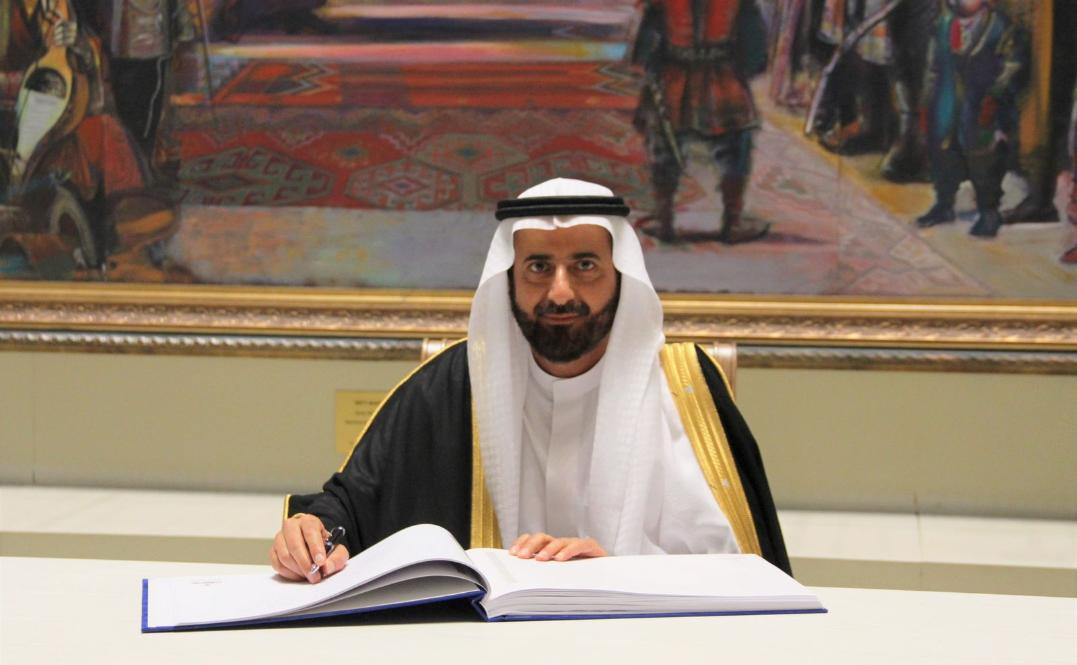
Dr. Tawfiq Al-Rabiah moved from academia into public-sector leadership. He joined the Saudi Arabian General Investment Authority (SAGIA), where he worked in information and communication technology from 2001 to 2007. He then became Director General of MODON Holding, the Saudi Authority for Industrial Cities and Technology Zones, serving from 2007 to 2011.
These roles exposed him to investment, infrastructure, technology, and economic development. In 2011, he became Minister of Commerce and Industry. One of the clearest examples of his approach came through the digitization of commercial registration. During his tenure, entrepreneurs were able to obtain a commercial registration electronically in around 180 seconds, without paper documents or a physical visit to the ministry. That change reflected a simple principle: government services should be faster, clearer, and easier to use. It is a principle that continued into his next major role.
Transforming Healthcare at National Scale
Dr. Tawfiq Al-Rabiah became Minister of Health in 2016 and remained in the role until 2021. During those years, Saudi healthcare expanded its digital services and placed greater emphasis on the beneficiary experience. By 2020, the Ministry of Health reported that around 14 million users were registered on the Mawid appointment platform and that more than 60 million appointments had been processed. Digital services became increasingly central to the healthcare system, helping patients book appointments, access consultations, receive prescriptions, and interact with health services more efficiently.
Then came COVID-19. The pandemic created one of the most demanding public-health challenges in modern Saudi history. Al-Rabiah led the Ministry of Health during the crisis and was involved in the national response, which required coordination across multiple government entities. The experience added another layer to his leadership profile: managing national systems under pressure. By the time he moved to the Ministry of Hajj and Umrah in 2021, he had already worked across technology, investment, industry, commerce, healthcare, and crisis management. His career progression reflects that breadth: SAGIA, MODON, Commerce, Health, and then Hajj and Umrah.
Leading a System That Serves Millions
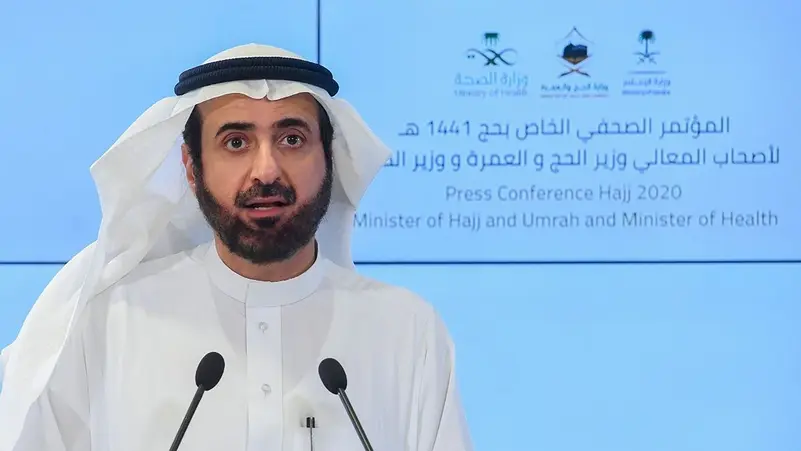
Today, Dr. Tawfiq Al-Rabiah leads one of Saudi Arabia’s most internationally visible service systems. In 2025, Saudi Arabia welcomed 19.5 million international pilgrims and Umrah performers. The scale of that number shows the size of the operational challenge. The pilgrim journey begins long before a visitor reaches Makkah or Madinah. It can include visa arrangements, travel planning, accommodation, transport, digital permits, health requirements, religious guidance, and on-ground services.
Improving that journey requires many government agencies and private companies to work as one system. This is where the Pilgrim Experience Program plays a major role. The program supports Vision 2030 by improving services before, during, and after a pilgrim’s visit. Its focus includes infrastructure, digital access, service quality, hospitality, and coordination. Under Al-Rabiah’s chairmanship, the goal is not simply to increase capacity. It is to improve the overall experience.
Nusuk Is Changing How Pilgrims Plan Their Journey
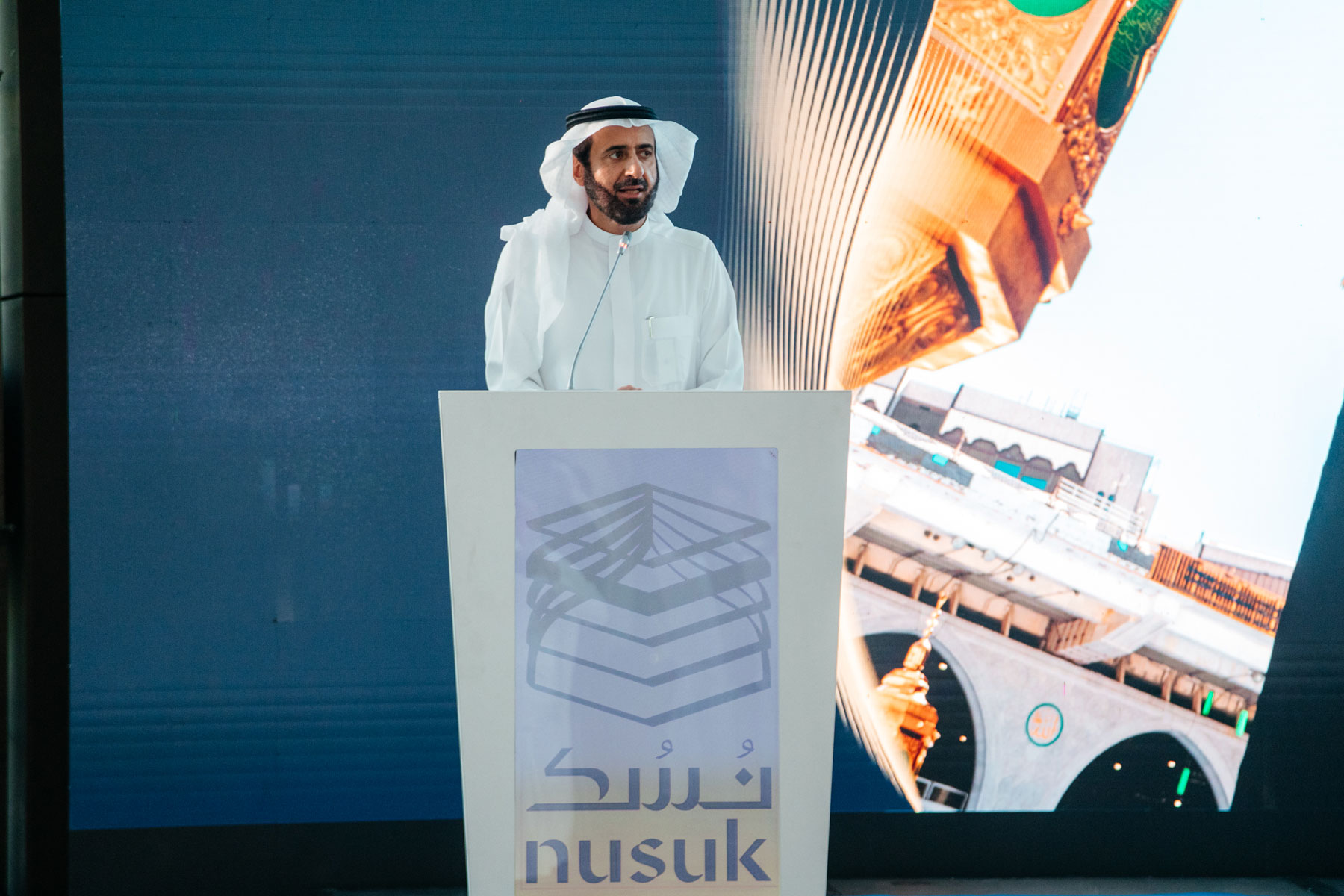
A major part of that transformation is Nusuk. The platform brings together a growing number of services connected to Hajj, Umrah, and visits to the Kingdom. Nusuk now serves more than 51 million users across more than 190 countries and offers more than 130 digital services. For pilgrims, that means fewer disconnected steps and more services available through one digital ecosystem.
For Dr. Tawfiq Al-Rabiah, Nusuk reflects the same approach that has shaped much of his career: reduce complexity, connect services, and make the user journey easier. The importance of Nusuk goes beyond convenience. It gives Saudi Arabia a direct way to guide, support, and communicate with pilgrims from the early planning stage through the actual journey. It also supports one of Vision 2030’s broader priorities: using digital government to improve everyday experiences.
Using AI to Improve the Pilgrim Experience
The Ministry of Hajj and Umrah is also expanding the use of artificial intelligence under Dr. Tawfiq Al-Rabiah’s leadership. In 2026, the ministry reported that Nusuk AI had served more than two million users. The service supports more than 180 languages and includes voice interaction. AI is also being used to analyze crowd movement, predict peak periods, improve transport planning, and support pilgrims during the rituals.
The ministry’s Digital Mutawwif service can help users understand their location, receive route guidance, and track parts of Tawaf and Sa’i. For Al-Rabiah, these tools fit into a broader strategy of using technology to make the pilgrim journey simpler and more responsive. The purpose is not to introduce digital tools for their own sake. The purpose is to reduce confusion, improve movement, save time, and make the journey easier.
A Focus on Measurable Results
The transformation of Hajj and Umrah services under Dr. Tawfiq Al-Rabiah is increasingly being measured through clear indicators. The Pilgrim Experience Program has reported satisfaction rates of around 91% for Hajj pilgrims and 94% for Umrah performers. Saudi Arabia has also continued to expand direct digital access, international coordination, service-provider competition, and technology infrastructure.
Under Dr. Tawfiq Al-Rabiah’s leadership, the Ministry of Hajj and Umrah has moved its information infrastructure to cloud systems and increased integration with other entities. Another example is the “Hajj Without Luggage” initiative, designed to deliver luggage directly to pilgrims’ accommodation and reduce airport processing time. These initiatives show how Al-Rabiah’s focus on operational improvement connects directly to the pilgrim experience. For the pilgrim, every saved step, reduced wait, clearer instruction, and better digital service can make the overall journey easier.
1. Building a Connected Pilgrim Journey
Leads efforts to simplify Hajj and Umrah through better coordination across transport, accommodation, digital services, and on-ground support.
2. Scaling Digital Access Through Nusuk
Under his leadership, Nusuk has grown into a major digital gateway, connecting millions of pilgrims worldwide to integrated Hajj and Umrah services.
3. Using Technology to Improve Service Quality
Applies AI, data, and digital systems to reduce friction, improve guidance, and make the pilgrim journey safer and easier.
4. Turning Vision 2030 Into Measurable Impact
Through the Pilgrim Experience Program, he is helping translate national ambitions into stronger service quality and higher pilgrim satisfaction.
Serving Pilgrims Through Better Systems
Dr. Tawfiq Al-Rabiah’s career has moved through very different sectors, but the core approach has remained consistent. He studies systems, identifies friction, uses technology, and focuses on the end user. In commerce, that meant faster business services. In healthcare, it meant wider digital access and stronger coordination. In Hajj and Umrah, it means improving the journey of millions of pilgrims from around the world.
Saudi Arabia’s service to pilgrims is a collective national effort involving many institutions, companies, professionals, and volunteers. Dr. Tawfiq Al-Rabiah’s role is to help align that system around one goal: a safer, easier, more organized, and more welcoming pilgrim experience. That is also where his work connects directly to Saudi Vision 2030. The ambition is not only to serve more pilgrims. It is to serve them better. And Dr. Tawfiq Al-Rabiah is helping lead that transformation.
Discover more inspiring stories at Saudi Wins, where Vision 2030 comes to life.