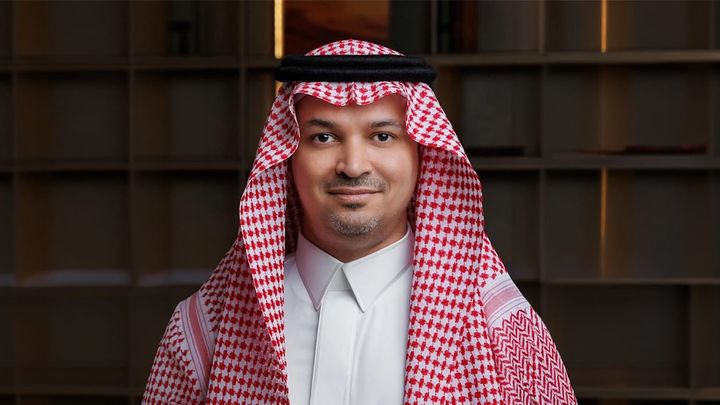

Abdulrazzag AlAujan: A Legacy of Institutional Transformation
Learn how AbdulRazzag AlAujan transformed Saudi government efficiency, leading institutional change and national impact through EXPRO and Vision 2030.
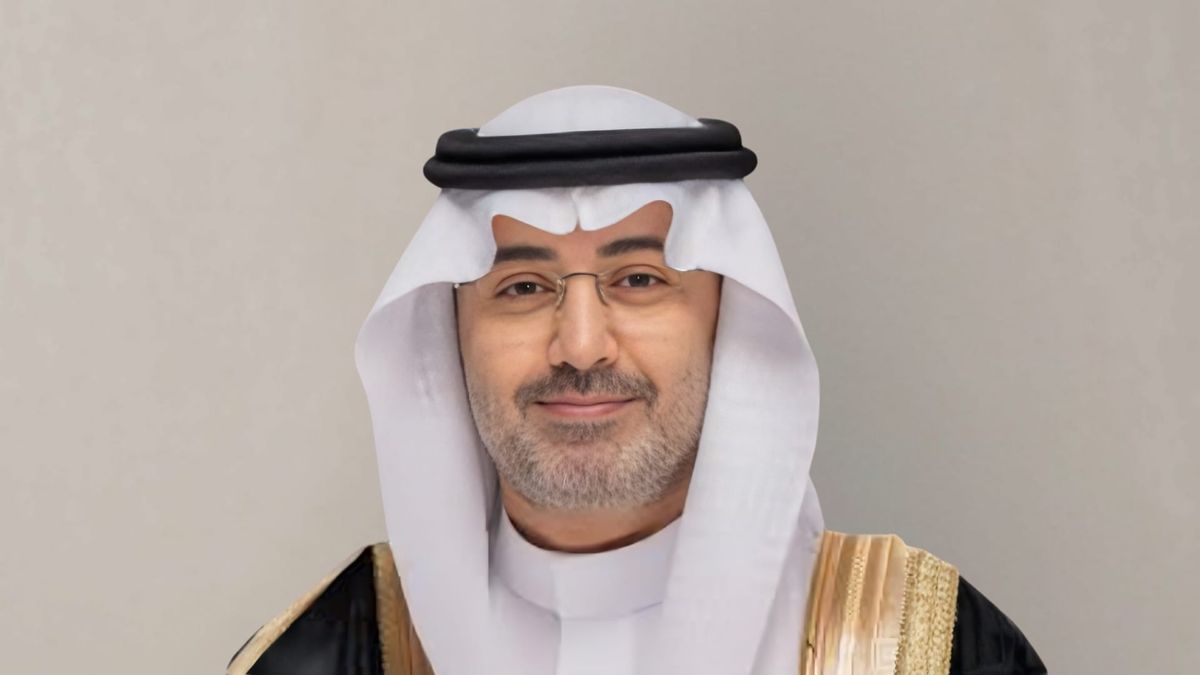
Saudi Arabia’s transformation under Vision 2030 is not only measured by what the Kingdom builds, launches, and announces. It is also measured by how efficiently it executes. Within this quieter but deeply important side of transformation, AbdulRazzag AlAujan stands out as one of the Saudi leaders who turned efficiency into national impact.
As the founding CEO of the Government Expenditure & Projects Efficiency Authority (EXPRO) and a seasoned management consultant, AlAujan has built a career dedicated to unlocking hidden value within organizations. Today, as Advisor to the Minister of Finance, he continues to shape the fiscal policies that safeguard the Kingdom’s economic future.
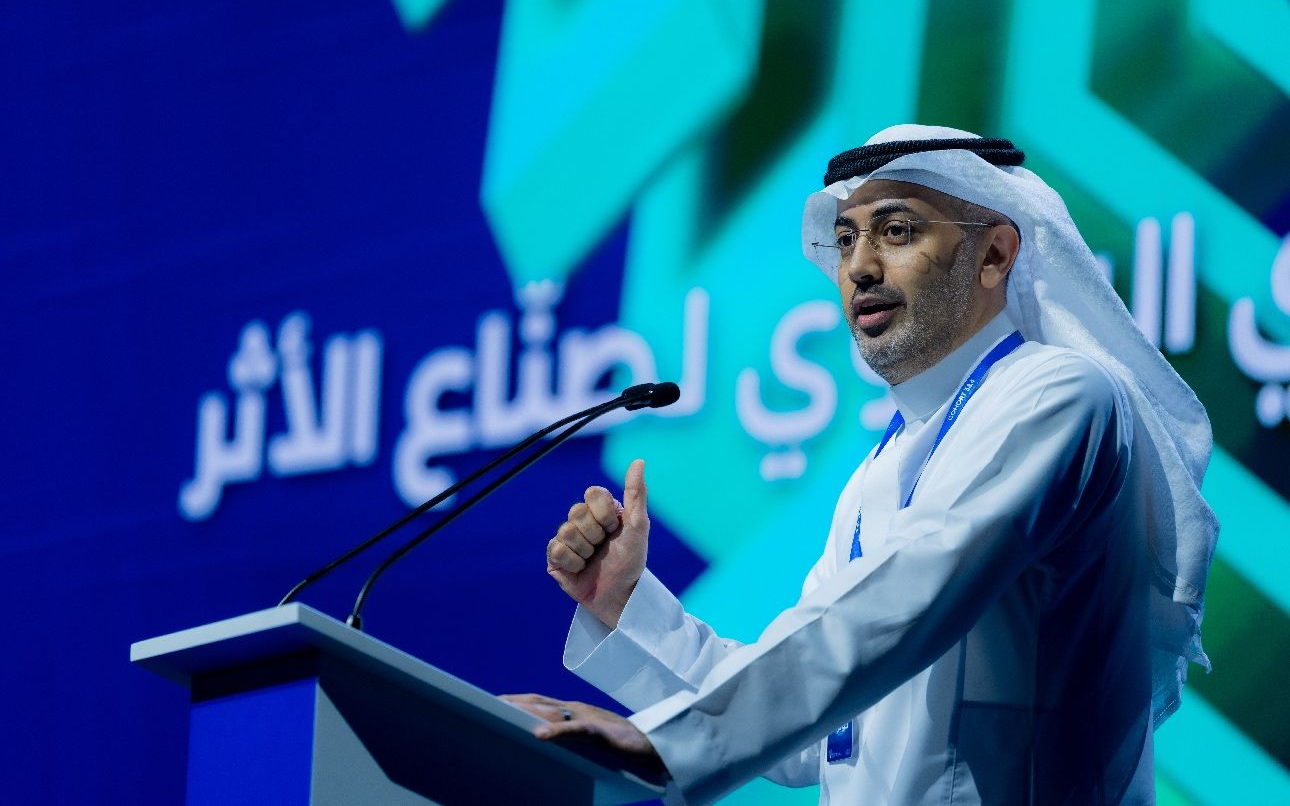
A Foundation Built on Engineering Discipline
AbdulRazzag AlAujan’s story begins with engineering. He earned a Bachelor of Engineering in Mechanical Engineering from King Saud University in 2006, a foundation that shaped not only what he knew, but how he thought. Engineering gave him a practical way of looking at systems: identify the problem, understand the root cause, improve the process, and measure the result.
That mindset appeared early in his career. At Abdullah Hashim Co. Ltd., he worked as a Service Center Manager, where he improved technician capability, reduced workshop lead time, and strengthened service efficiency across the central region. It was an early sign of what would become a recurring theme in his journey: building better systems by developing people, simplifying processes, and removing hidden inefficiencies. Before he became associated with national-scale transformation, AlAujan was already learning how operational performance is built one decision, one team, and one process at a time.
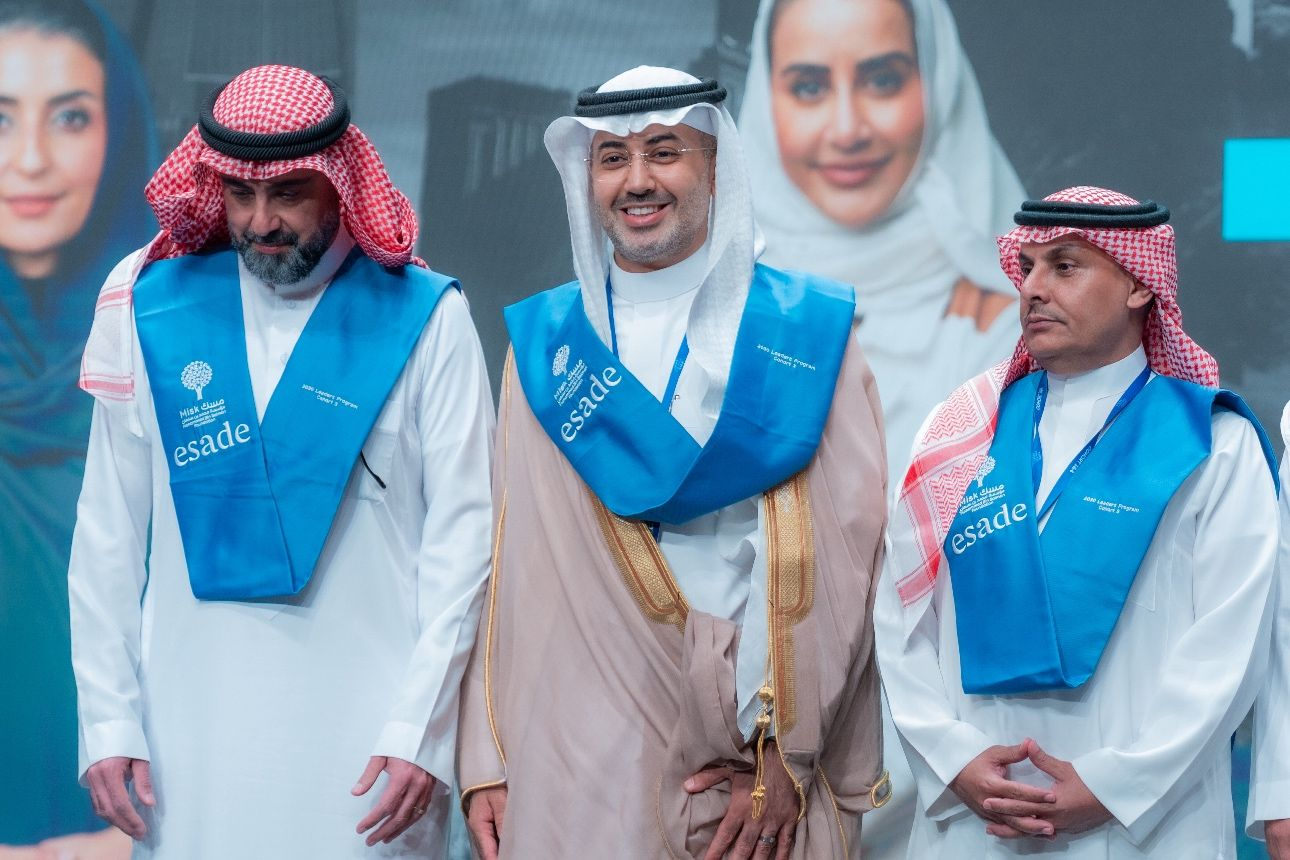
From Factory Floors to Operational Excellence
A major turning point came when AlAujan joined Procter & Gamble in Dammam. Over more than seven years, he built deep expertise in Lean, Kaizen, TPM, autonomous maintenance, reliability engineering, and high-performance operations. This was not leadership from a distance. It was hands-on work inside manufacturing environments where results were visible, measurable, and immediate.
At P&G, he worked across process reliability, technical management, and operations leadership. He also trained hundreds of employees in reliability engineering, Lean systems, and problem-solving practices. This chapter matters because it explains the source of his later impact. AlAujan did not enter government efficiency as a purely administrative leader. He came from environments where waste had a cost, downtime had a number, and every improvement had to survive the pressure of daily operations. That discipline became his leadership signature.
Scaling Lean Thinking Across Organizations
After P&G, AlAujan moved to Obeikan Investment Group as Group Lean Manufacturing Program Manager. This expanded his scope from site-level operations to enterprise-wide transformation. He deployed Lean Manufacturing and TPM frameworks across 11 sites, introduced high-performance organization practices, and helped design a three-year House of Excellence strategy.
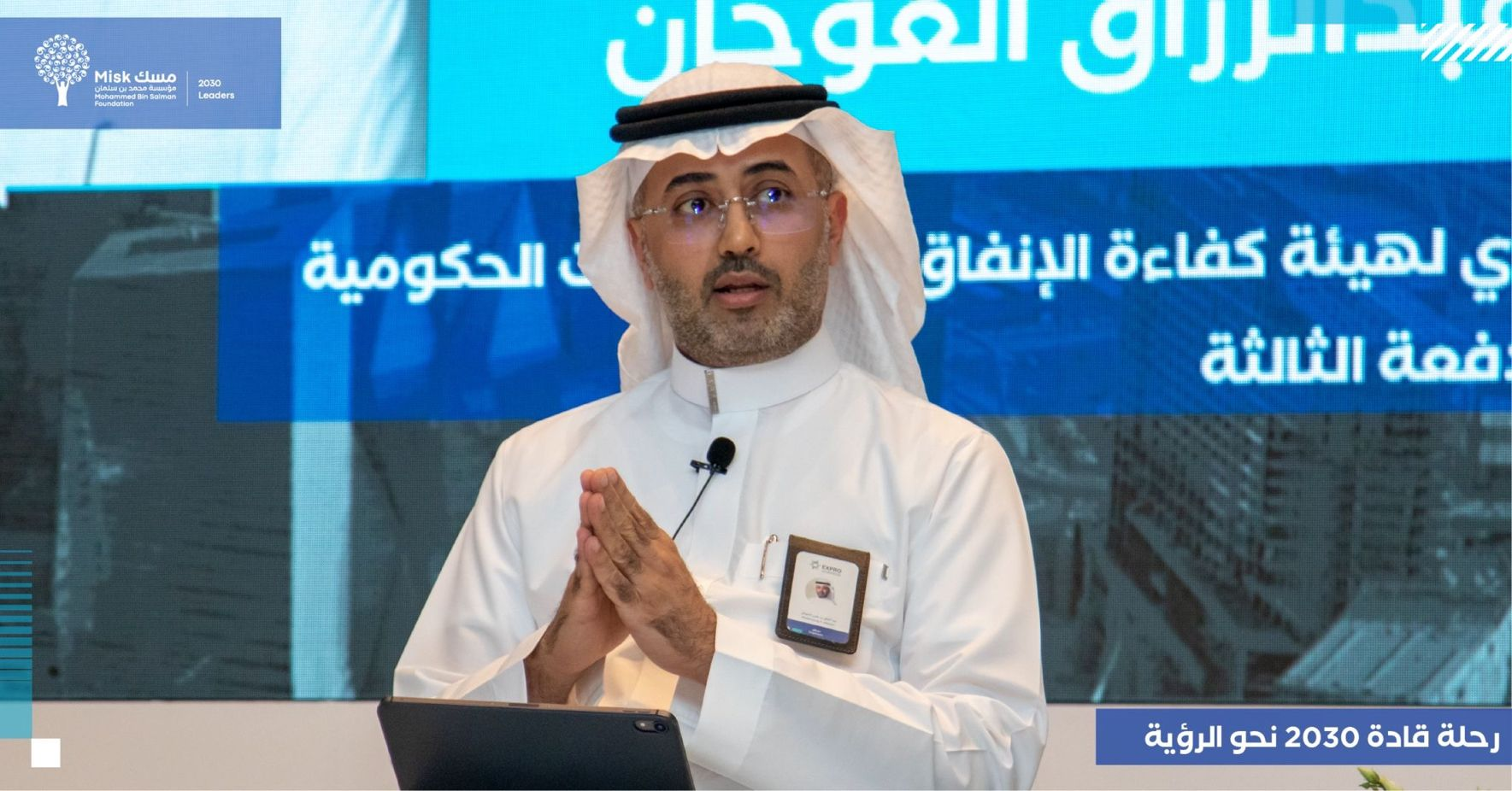
This stage showed his ability to scale. The challenge was no longer one production line or one department. It was how to create a common language of excellence across multiple sites, teams, and leadership layers. That ability to translate operational principles into organizational systems would later become central to his public-sector work. Whether in manufacturing, consulting, or government, the pattern remained consistent: build the framework, train the people, align the leadership, and make performance measurable.
Bringing Private-Sector Discipline to Public-Sector Transformation
AlAujan’s move into consulting with Elixir Management Consultancy, part of McKinsey & Company, marked another important evolution. As a senior consultant, associate partner, and later partner in operational excellence, he began applying his manufacturing-rooted discipline to broader institutional challenges.
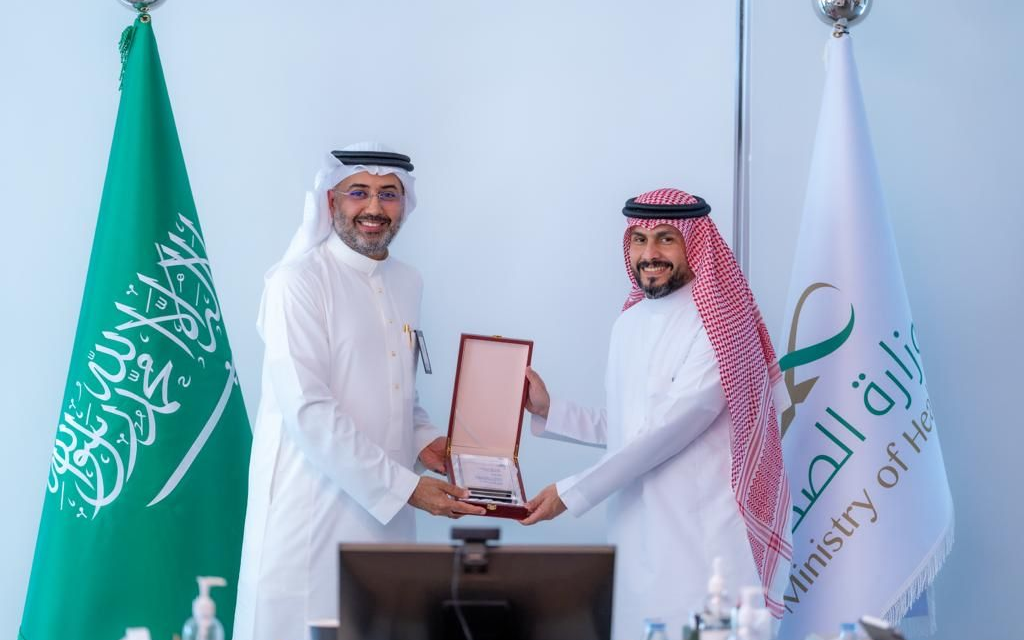
His work covered government ministries, healthcare operations, spending rationalization, process improvement, and capability building. In healthcare, he advised the Ministry of Health on operational and patient journey optimization, improving emergency-room throughput, outpatient efficiency, and bed management. He also contributed to cost-reduction initiatives and spending rationalization programs that generated measurable financial gains.
This period sharpened his ability to work at the intersection of strategy and execution. He was not only solving operational bottlenecks. He was helping organizations understand where value was being lost, how decisions could improve, and how teams could sustain better performance long after consultants left the room. It was the bridge between factory excellence and national transformation.
Leading EXPRO’s National Efficiency Mission
In 2017, AbdulRazzag AlAujan became CEO of the Government Expenditure & Projects Efficiency Authority, EXPRO. This role placed him at the center of one of Vision 2030’s most important priorities: ensuring that public resources are used efficiently, government projects are delivered more effectively, and national spending produces stronger long-term value.
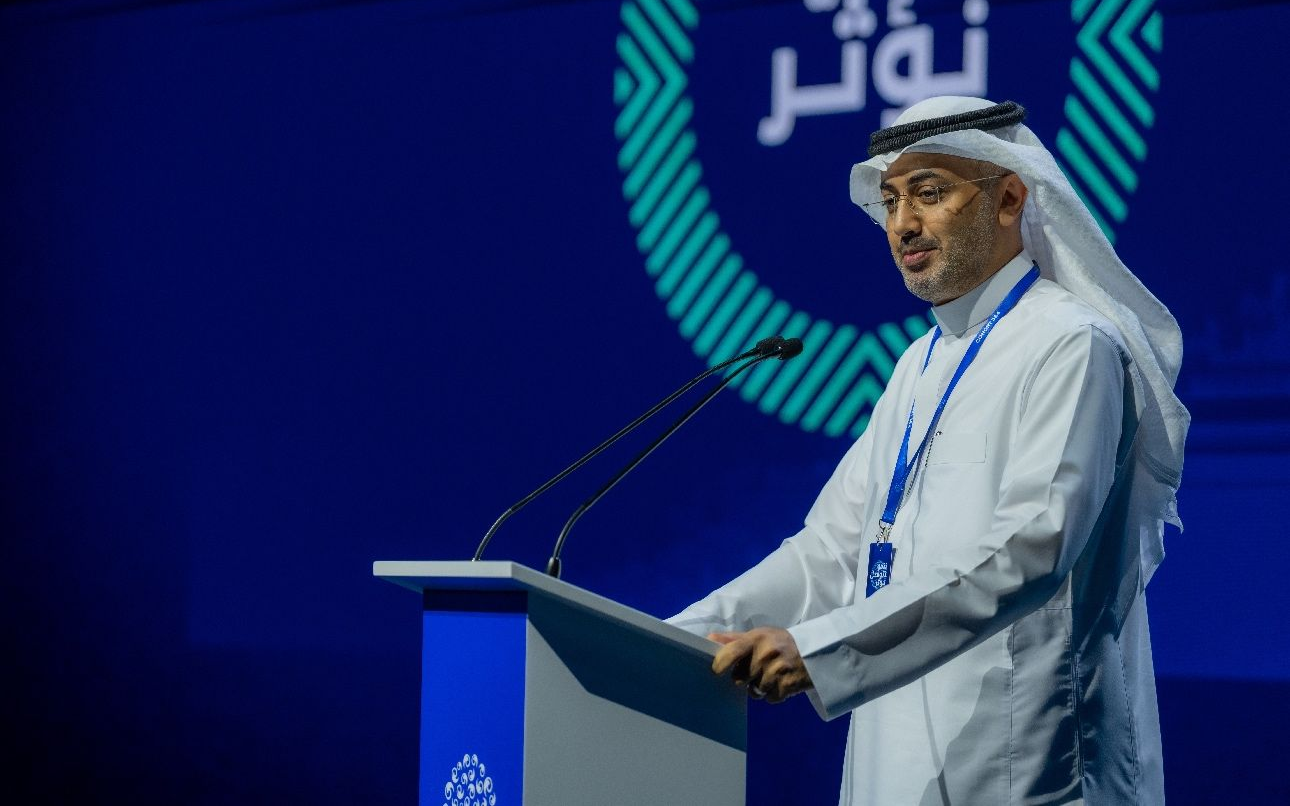
EXPRO’s mission was not simply about reducing costs. It was about improving the way government entities plan, procure, execute, and measure impact. Under AlAujan’s leadership, EXPRO delivered SAR 1.4 trillion in savings, developed more than 25 national policies, created more than 15 frameworks, and elevated the capabilities of over 600 government partners. These figures reflect the scale of the mandate. AlAujan was helping optimize national systems. For Vision 2030, this kind of leadership is essential. Transformation requires ambition, but it also requires financial discipline. It requires institutions that can deliver better outcomes with greater efficiency. AlAujan’s contribution was to help turn efficiency from a technical idea into a national operating principle.
Building Institutions, Not Just Programs
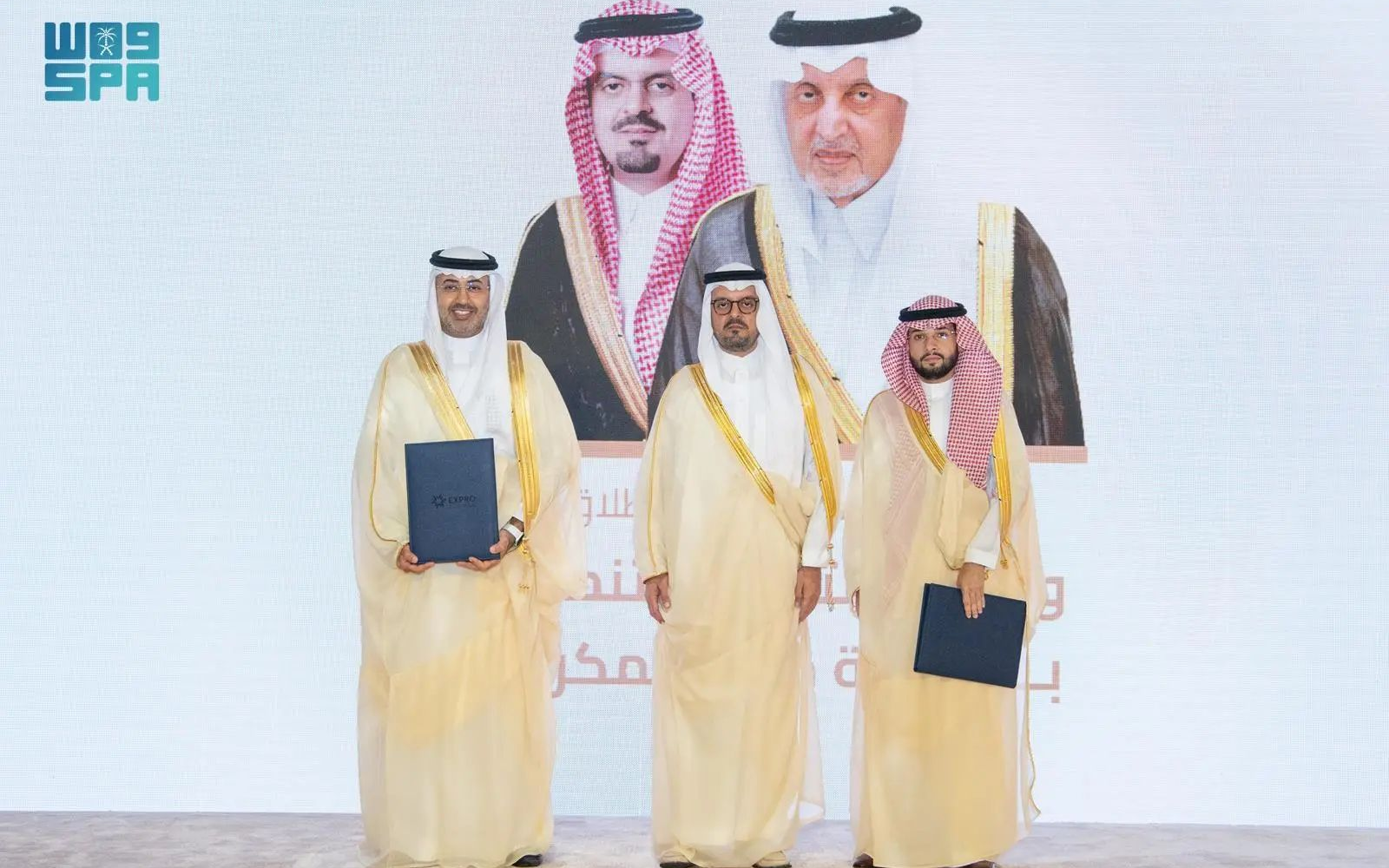
One of the strongest themes in AlAujan’s career is institution-building. During his time leading Mashroat as Director General, he helped manage pre-merger planning and integration with the Center of Spending Efficiency. This type of work is often less visible than public announcements, but it is critical to transformation. Institutions carry the long-term memory of reform. They hold standards, frameworks, talent, and governance. When institutions are built well, they allow progress to continue beyond a single leader or program.
AlAujan’s role in this chapter reflected more than operational skill. It required trust-building, change management, and the ability to integrate people and systems without losing momentum. It showed that efficiency is not only about numbers. It is also about organizational stability, clarity, and confidence.
A Leader at the Intersection of Strategy and Execution
What makes AbdulRazzag AlAujan’s journey compelling is the consistency of his leadership style across very different environments. In manufacturing, he improved reliability. In consulting, he improved processes and performance. In government, he improved spending efficiency and project execution. Across every stage, the same leadership logic appears: transformation must be measurable, repeatable, and built into the system.
He also trained hundreds of employees earlier in his career and later contributed to training thousands of government officials and mentoring emerging leaders. That focus matters because national transformation cannot depend only on a few executives. It requires a generation of people who understand how to execute with discipline. In that sense, AlAujan’s legacy is not only in savings, policies, or frameworks. It is also in the people and institutions equipped to keep improving.
A New Chapter at the Ministry of Finance
In January 2026, AlAujan began a new role as Advisor to the Minister at Saudi Arabia’s Ministry of Finance. It is a natural continuation of a career built around fiscal discipline, operational improvement, and institutional transformation. His background gives him a rare perspective. He understands the technical detail of efficiency from his engineering and manufacturing years. He understands organizational transformation from consulting and enterprise leadership. And he understands national fiscal priorities from his years leading EXPRO.
At a time when Saudi Arabia continues to balance growth, investment, diversification, and sustainability, leaders with this kind of execution-focused experience are especially valuable.
1. Builder of Government Efficiency
He helped lead national efforts to improve government spending, project delivery, procurement practices, and institutional performance.
2. Engineer of Measurable Impact
His career shows how engineering discipline, Lean thinking, and operational excellence can scale from factory floors to national systems.
3. Institution Builder
Through EXPRO and Mashroat, he contributed to frameworks, policies, integrations, and capabilities designed to strengthen public-sector execution.
4. Vision 2030 Execution Leader
His work reflects one of Vision 2030’s most important principles: transformation must be delivered with discipline, efficiency, and measurable results.
Final Thoughts
Vision 2030 is often described through ambition, but its success depends on execution. It depends on leaders who can strengthen institutions, improve spending, raise standards, and turn strategy into practical results. AbdulRazzag AlAujan’s journey reflects exactly that kind of leadership.
His story reminds us that national transformation is not only built by those who create new projects. It is also built by those who make every project and every process deliver more value.
Discover more inspiring stories at Saudi Wins, where Vision 2030 comes to life.